Not all sound absorbers are the same on the inside. Two panels can have the same shape, fabric, and color, yet absorb sound very differently. It’s a little like two sofas that look identical, but one is comfortable to sit on and the other isn’t. The difference is in the core. The choice of material is key to how effectively a product absorbs sound, how it performs over time, and how safe it is in public spaces.
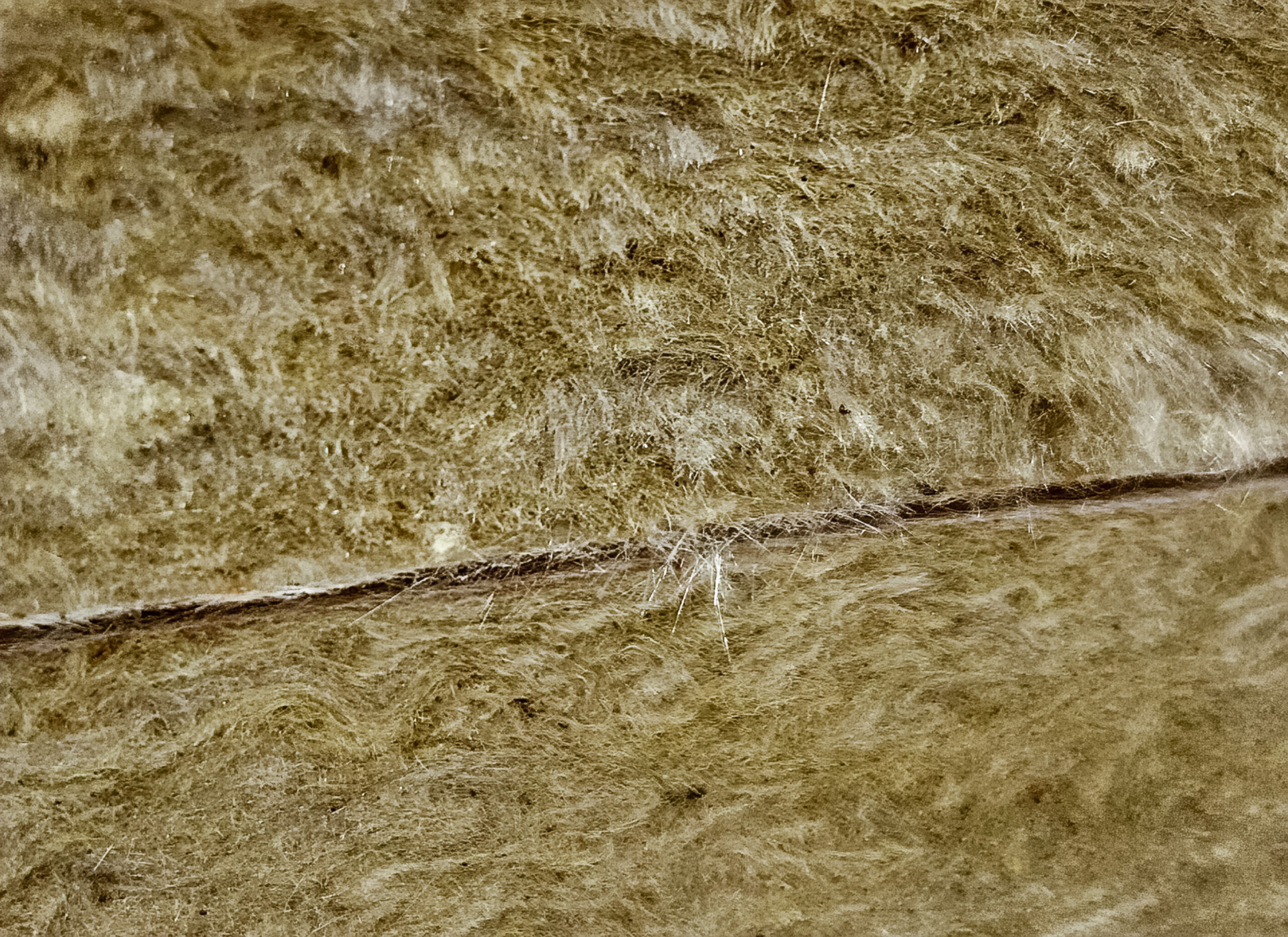
Stone wool is one of the best materials for professional acoustic solutions. But why? And what makes it so effective at absorbing sound? In this article, we look at how stone wool works in practice and why the material matters so much.
What is stone wool?
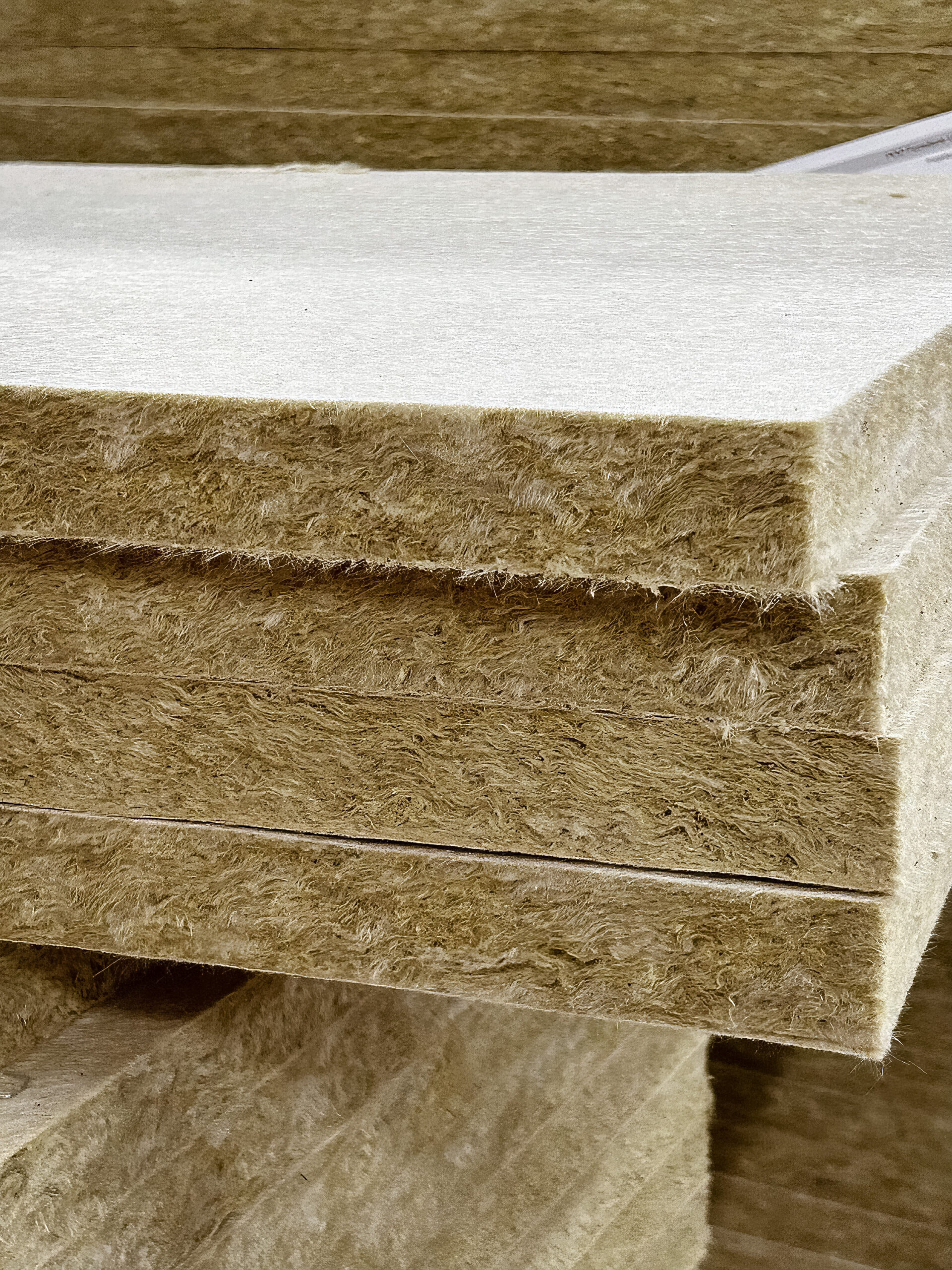
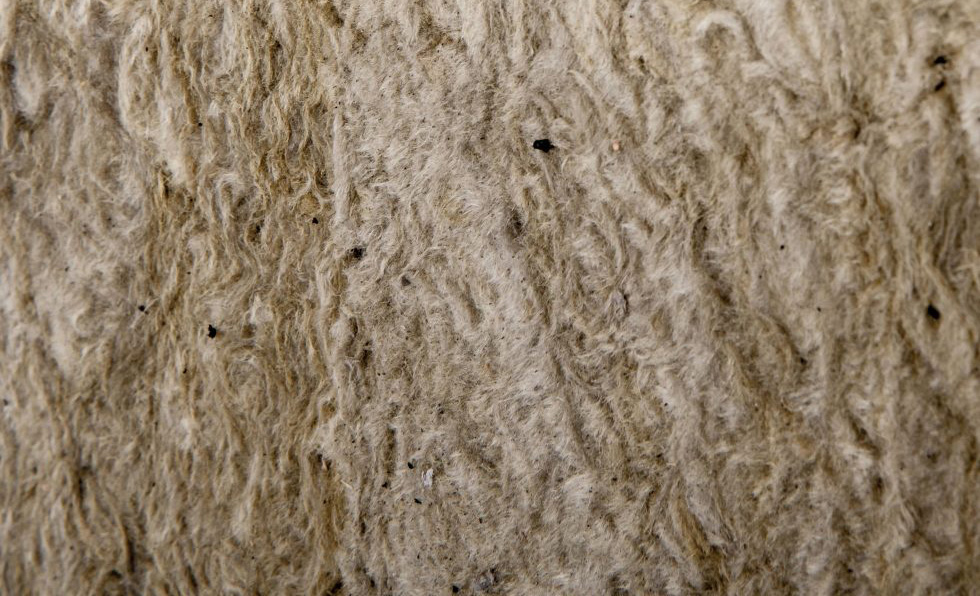
Stone wool is made by melting natural stone at around 1,500 °C. The molten material is spun into fine fibers that are bound together. Think of it as a “filter” made of stone, full of small pockets that capture and dampen sound. This structure is what makes stone wool so effective at absorbing sound.
How does sound absorption work?
When a sound wave reaches an absorbing surface, two things happen: the wave enters the material, and its energy is converted into heat through friction between air molecules and fibers.
Stone wool’s open structure absorbs sound energy effectively. The more energy it captures, the less sound is reflected back into the room.
The result is a shorter reverberation time, so sound fades more quickly. Speech doesn’t travel as far, and the room feels quieter. Think of it as a sponge: instead of bouncing sound away, it “soaks” it up and dampens it.

The difference between sound absorption and sound reduction
When talking about acoustics, two terms are often confused: sound absorption and sound reduction.
Sound absorption is about what happens inside a room. When a material absorbs sound, less sound energy bounces between the walls, ceiling, and floor. The result is a shorter reverberation time, clearer speech, and a room that feels quieter.
Sound reduction, sometimes called sound insulation, is about stopping sound from traveling from one place to another. For example, sound can pass between two rooms through walls or ceilings.
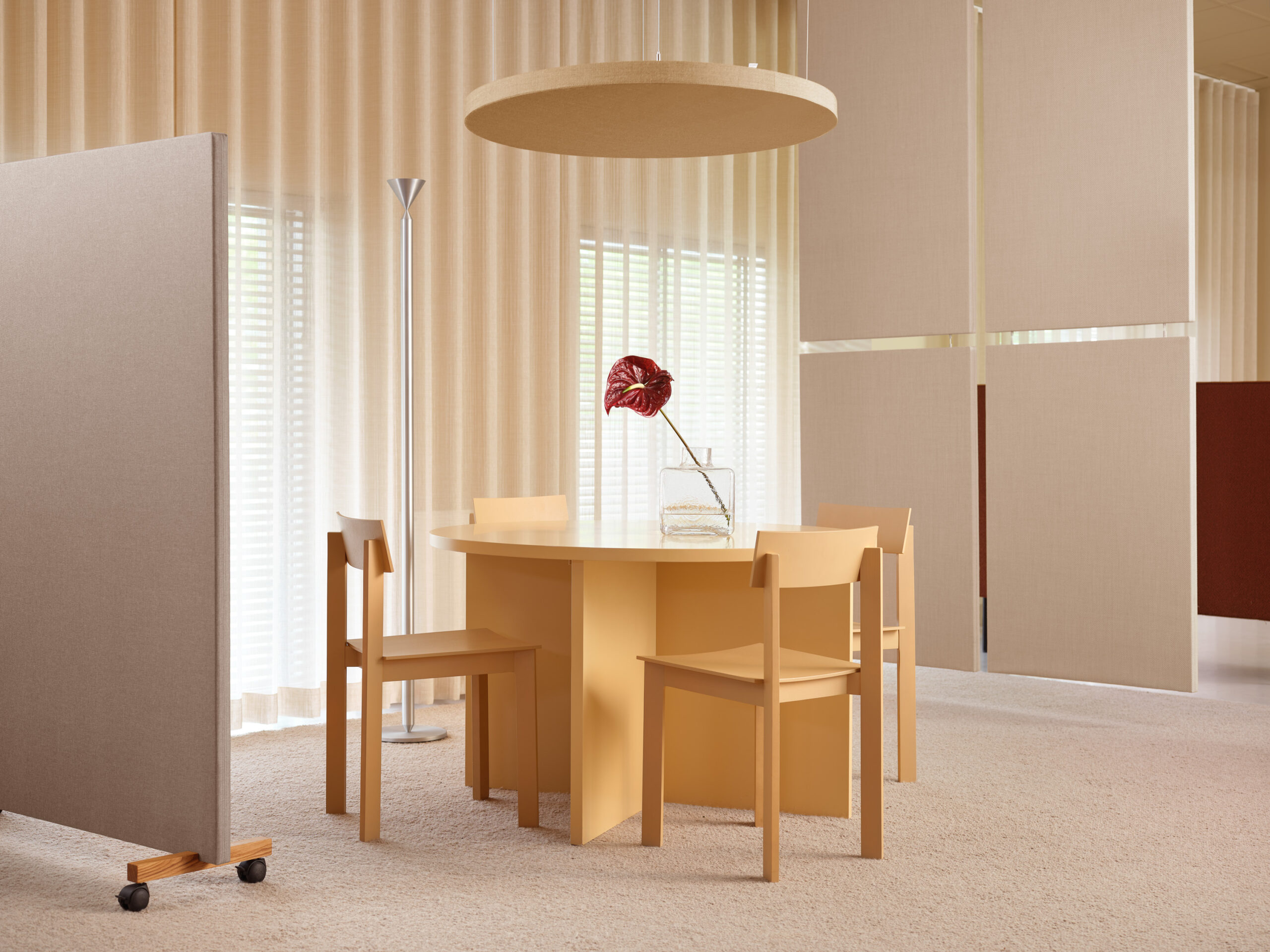
Stone wool is primarily used for its excellent sound absorption, making it ideal for wall and ceiling panels as well as screens. But unlike simpler materials, such as PET, stone wool’s density and fiber structure also help limit the spread of sound between different areas of a space.
This means that products made with stone wool absorb sound in the room and can also help reduce how far it travels. You get more acoustic benefit from a single solution, with better control of both reverberation and the spread of sound. A little like turning down the volume and closing the door at the same time.
Why frequency range matters
Sound absorption is not equally effective at every frequency. Speech mainly falls within the range of 250–4,000 Hz. An effective acoustic material therefore needs to absorb sound within this range.
Stone wool absorbs sound well across a broad frequency range, making it particularly suitable for spaces where the human voice is the main sound source, such as offices, schools, and meeting rooms. This is why stone wool is often used in sound absorbers with a high sound absorption class (Class A).

How stone wool compares with other materials
Several types of materials are used in sound absorbers:
- Polyester fiber
- Plastic foam
- Wood wool
- Textile felt
All can absorb sound, but their effectiveness and properties differ.
The advantages of stone wool include:
- High sound absorption relative to its thickness
- Keeps its shape over time
- Good fire performance
- Resistance to moisture
- A natural material (made from 100% natural stone)
These qualities mean that stone wool is often ranked among the most effective materials for professional sound absorption.
Watch the difference stone wool makes in fire safety.
Fire classification and safety
Fire safety is a key consideration in public spaces. Stone wool is noncombustible and withstands high temperatures without contributing to the development of a fire. This makes it particularly suitable for spaces with strict safety requirements, such as schools, hospitals, hotels, and offices.
Fire classification is therefore an important part of the requirements when purchasing sound absorbers. This is an area where stone wool offers a clear advantage.
Sustainable acoustics through long service life and recycling
Sustainable acoustics also means thinking about how long a product lasts, alongside the environmental impact of making it. Stone wool retains its shape and acoustic performance over time and does not break down in the same way as some other materials. It can also be recycled, making it a more sustainable choice over its life cycle.
A sound absorber with a stone wool core can therefore keep doing its job for a long time, reducing the need for replacement. The choice of material plays a key role in how sustainable an acoustic solution is over its life cycle.
Why density and thickness matter
An effective sound absorber needs the right balance of density, thickness, and air permeability.
If the material is too loose, sound passes through without being dampened. If it’s too compact, sound bounces back instead.
Stone wool sits somewhere in between: open enough to let sound in, yet dense enough to dampen it effectively.
This is one of the reasons it works so well in practice.
Where stone wool makes the biggest difference in practice
Open-plan offices
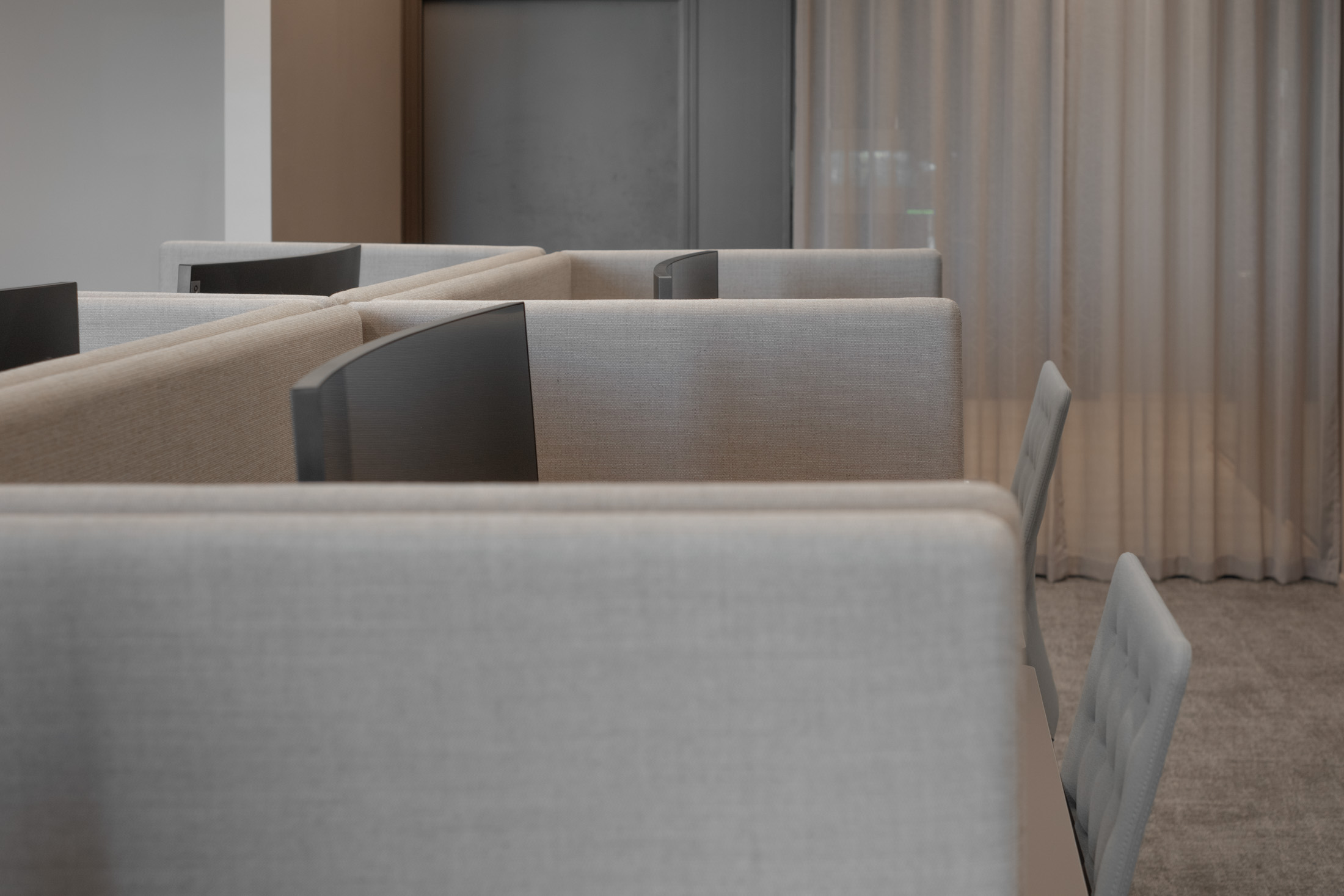
In open-plan offices, speech can travel surprisingly far when reverberation times are long. You hear fragments of conversations from across the room, even when you’re trying to focus. Sound absorbers made with stone wool reduce the spread of sound, helping a noisy, distracting space feel calmer and more settled. It becomes easier to think clearly without having to shut out the world around you completely.
Meeting rooms
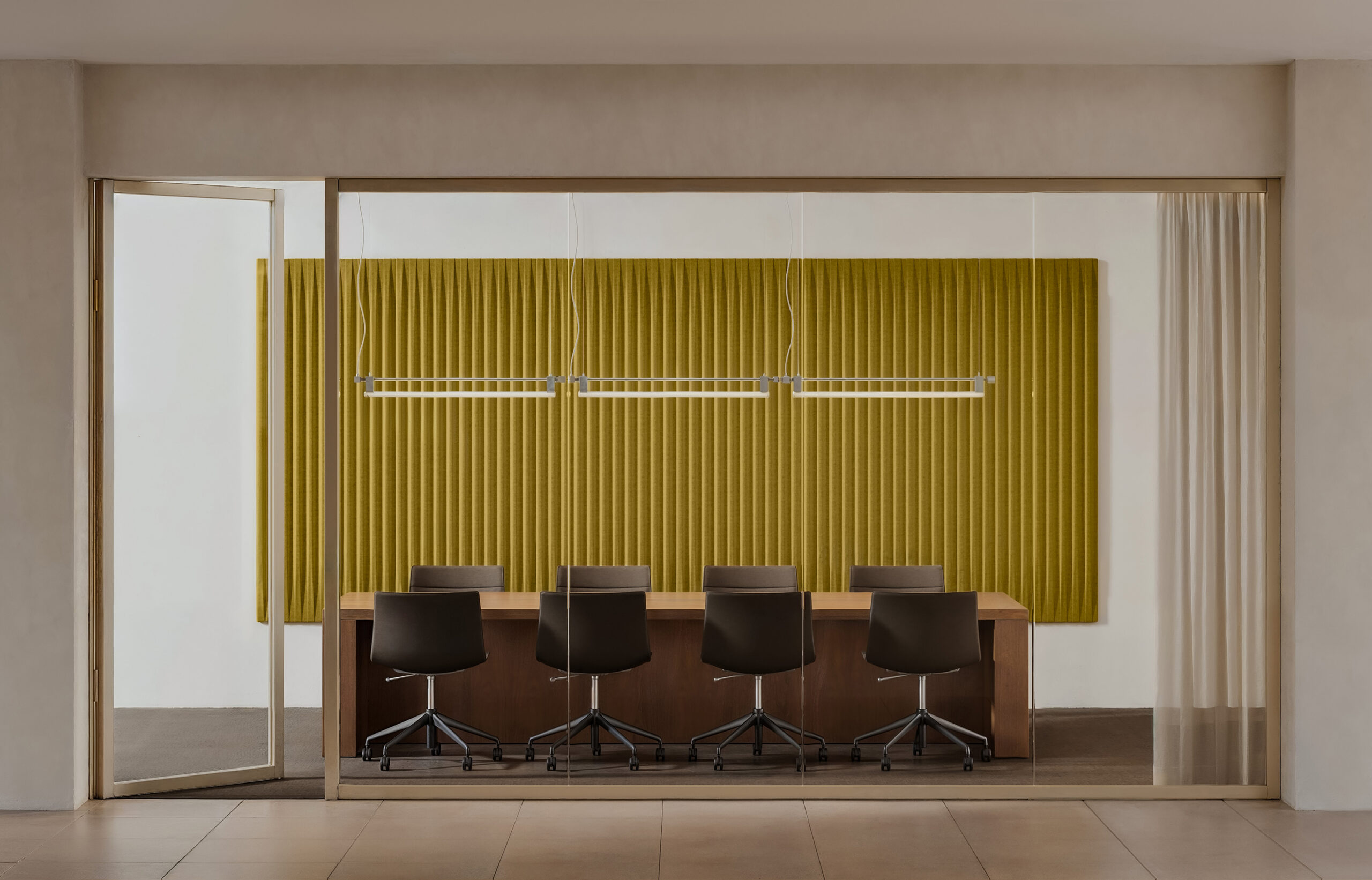
In meeting rooms, you notice the acoustics right away. Either the conversation flows, or you have to work to hear and be heard. With less reverberation, voices sound clearer and more natural. Stone wool helps take the harshness out of sound, so meetings feel less tiring and more focused. You can pay attention to the conversation rather than the noise around you.
Classrooms
In classrooms, the sound environment has more of an impact than you might think. When sound bounces around the room, it becomes harder to understand what’s being said, especially for younger students. Effective sound absorption reduces background noise and makes the teacher’s voice clearer. It creates a calmer environment where it’s easier to follow along, concentrate, and take in what’s being taught. You can hear the difference and feel it in the atmosphere of the room.
The material is only part of the solution
Even an effective material like stone wool needs the right planning. For a solution to work well, the amount, size, and placement of the absorbers need to suit the room, with ceiling, wall, and screen solutions working together. A thoughtful acoustic plan makes the most of the material’s properties. That’s what turns individual products into an acoustic solution that works as a whole.
Aesthetics and function working together
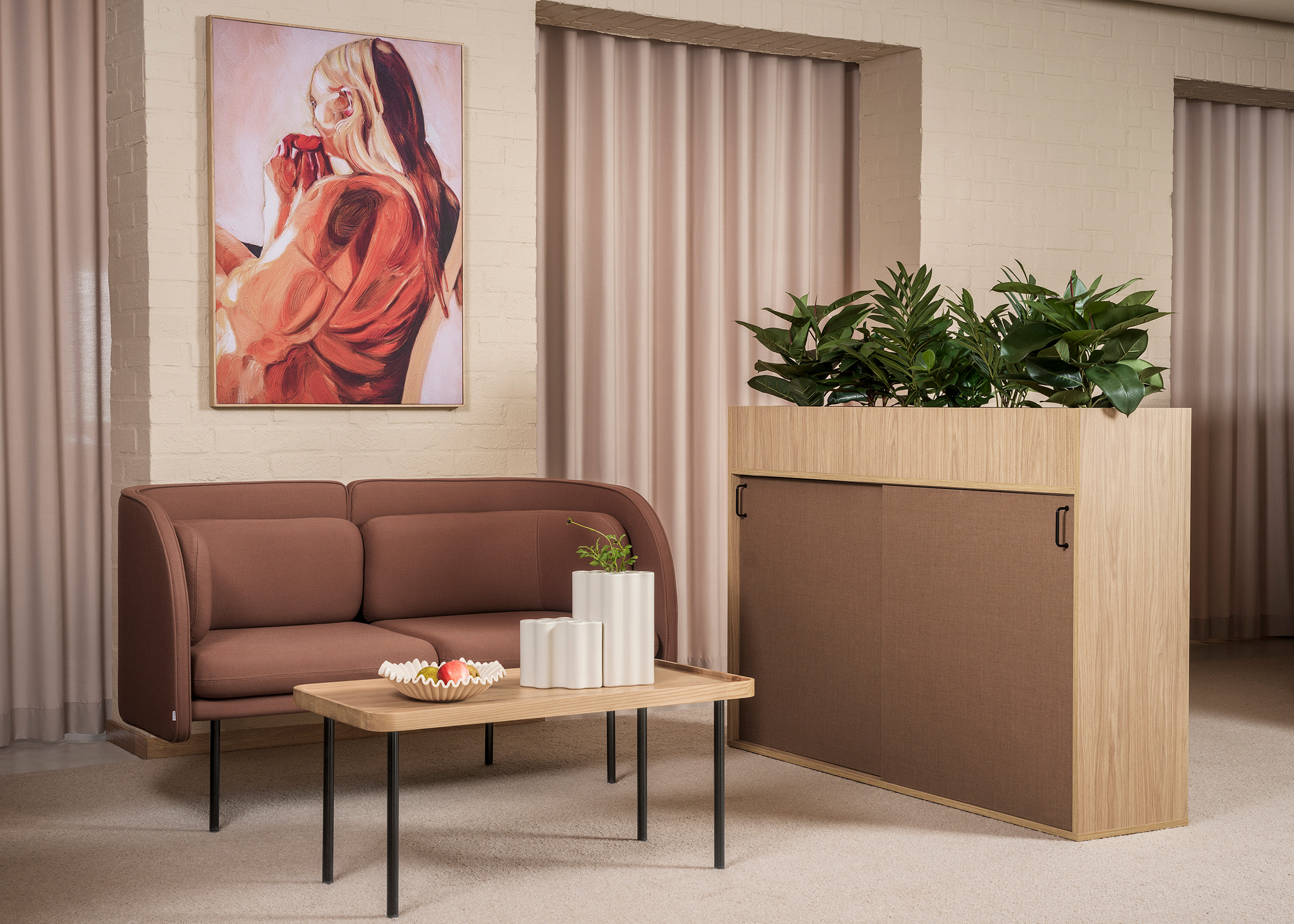
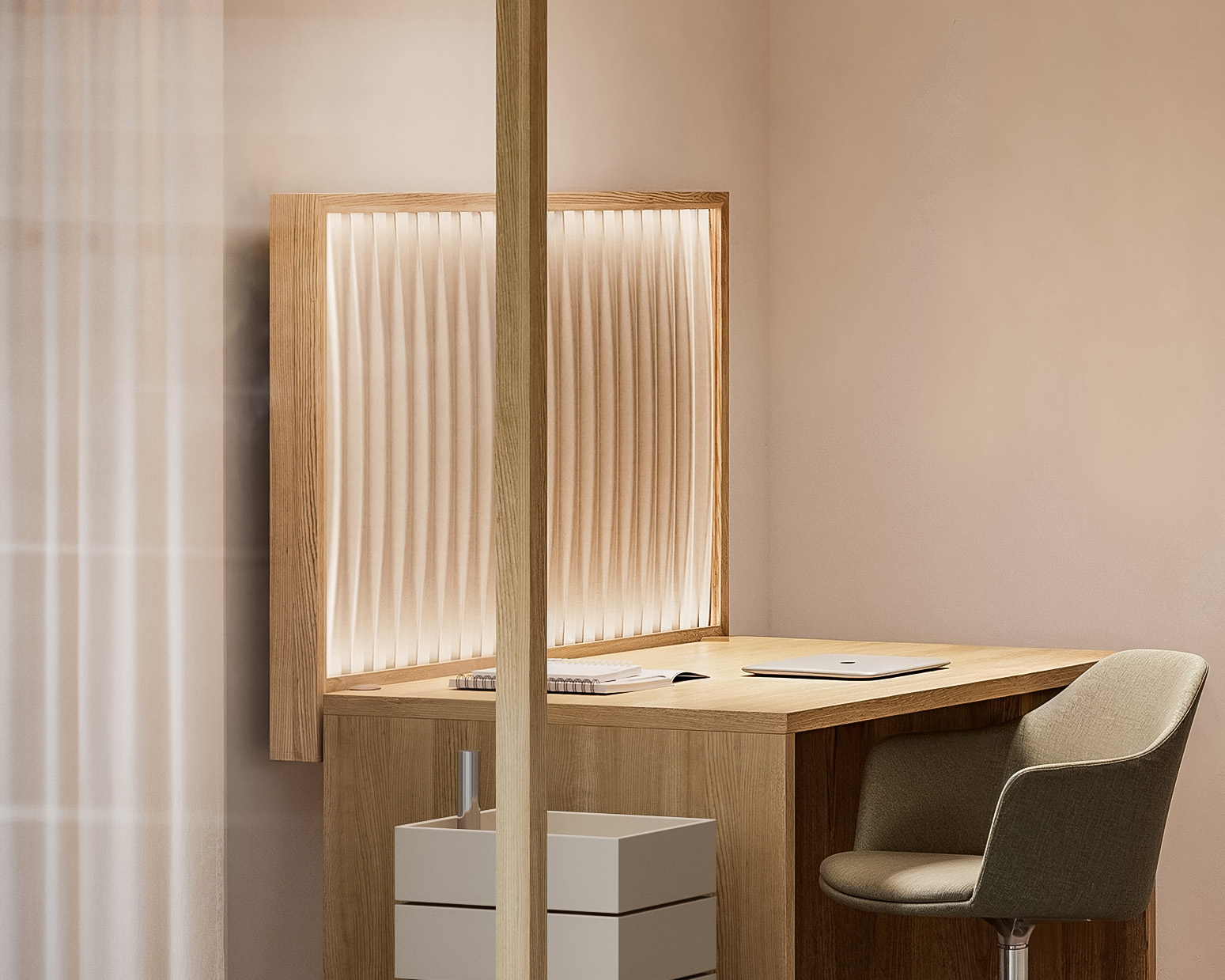
Stone wool is at the core, but you don’t see it. The surface materials, shape, and design determine how the product fits into the space. Our acoustic solutions combine stone wool’s technical performance with fabrics and forms that help shape the character of the room. Function and design work together.
The material determines the result
Stone wool brings together:
- A porous fiber structure
- Efficient energy conversion
- Sound absorption across a broad frequency range
- A high level of fire safety
- A long service life
The choice of material is key to how well a sound absorber performs and how long it continues to do its job. When the aim is to create a sustainable and effective sound environment, stone wool is one of the most proven and reliable options.
Want to see how our products with stone wool work in practice?
Explore our ceiling absorbers, wall panels, and screens to see how the choice of material affects performance.
Discover our product families and find the right solution for your space.