

Zilenzio was born from a simple idea: people deserve to work in environments that feel good, with sustainable solutions for ears and eyes.
Content
What began as Jenny and Marie’s quest for silence has grown into solutions that work for each unique work environment. Do you work in a school where noise and constant activity are part of everyday life? Or are you an architect who thrives in an inspiring and designed setting? We have a solution for your needs.
We bring deep knowledge in sound absorption. We can create a solution with the right number of products, with different kinds of products and the right placement based on the customer’s needs and budget. Do you know about The Zilenzio Experience?
Our people: The heart of our business
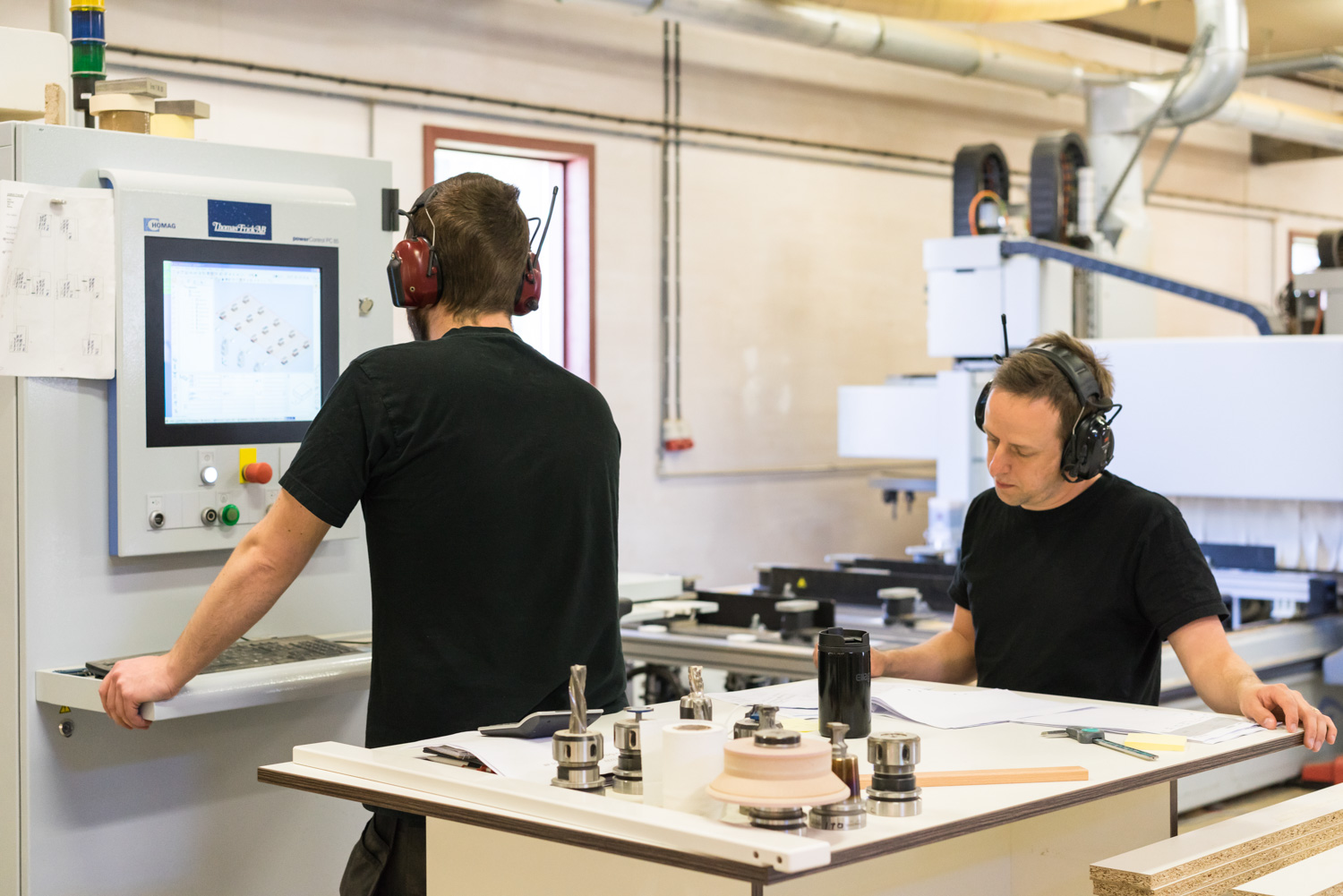
We believe that sustainability starts inside our own walls. Every second month, we measure employee well-being, tracking workload, stress, and recovery, while giving everyone the chance to raise concerns.
We ask four questions:
- Are you satisfied with your workload?
- Are you anxious when you go to work?
- Do you feel like you have the possibility to recover?
- Have you experienced or seen any discrimination?
Our results are consistently high, but these insights guide discussions in our workplace safety team, which meets four times per year and follows up on everything from ergonomics to psychosocial health. All employees are offered a health check every two years.
We also believe in the power of connection. Social activities, from casual after-work gatherings to shared celebrations, play an important role in maintaining our strong team spirit.
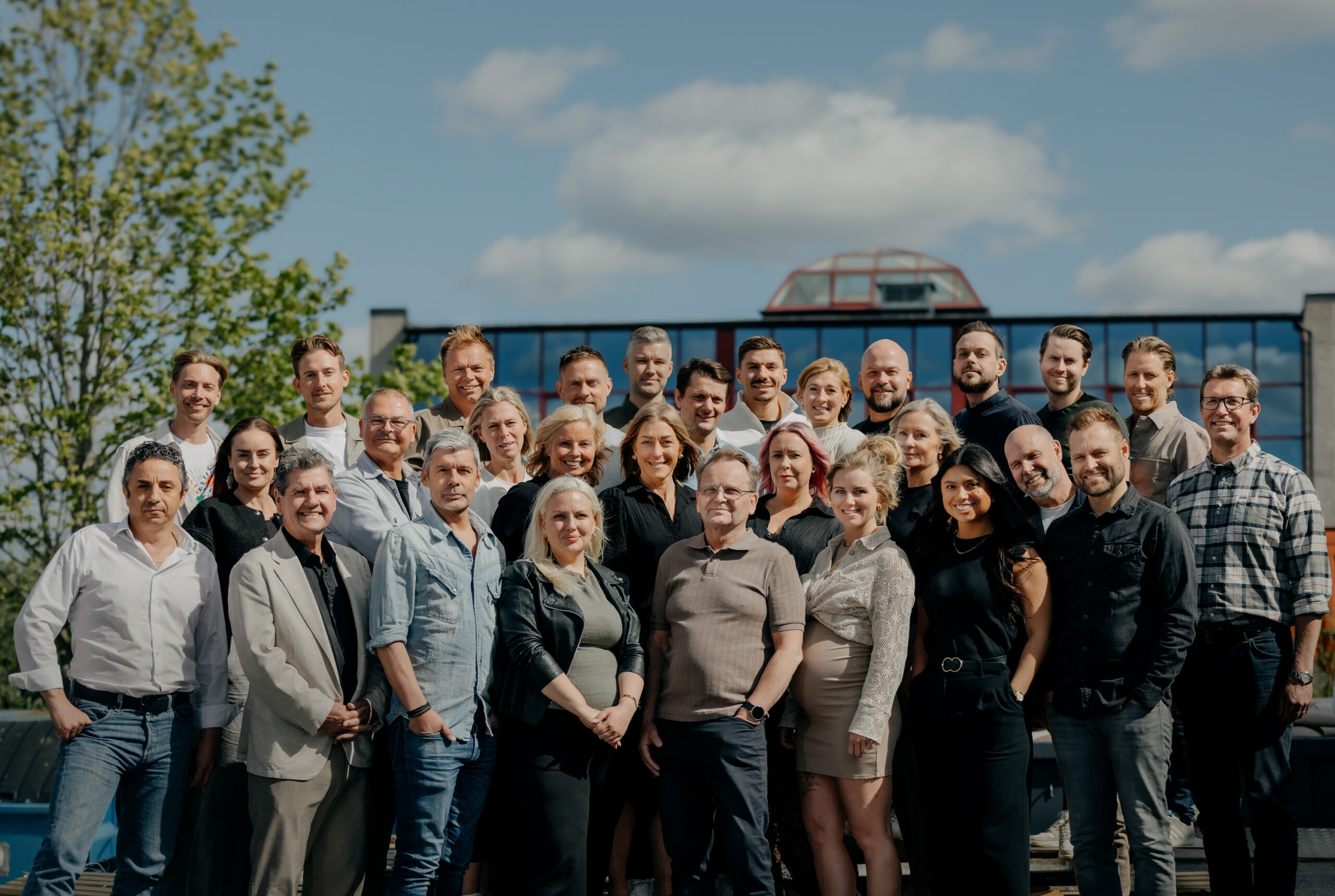
“The people we work with are our biggest asset.”
– Jenny Helldén, co-founder of Zilenzio
96 %
are satisfied with their workload.
0 %
feel anxious about going to work.
100 %
feel they have time to recover.
At the production sites
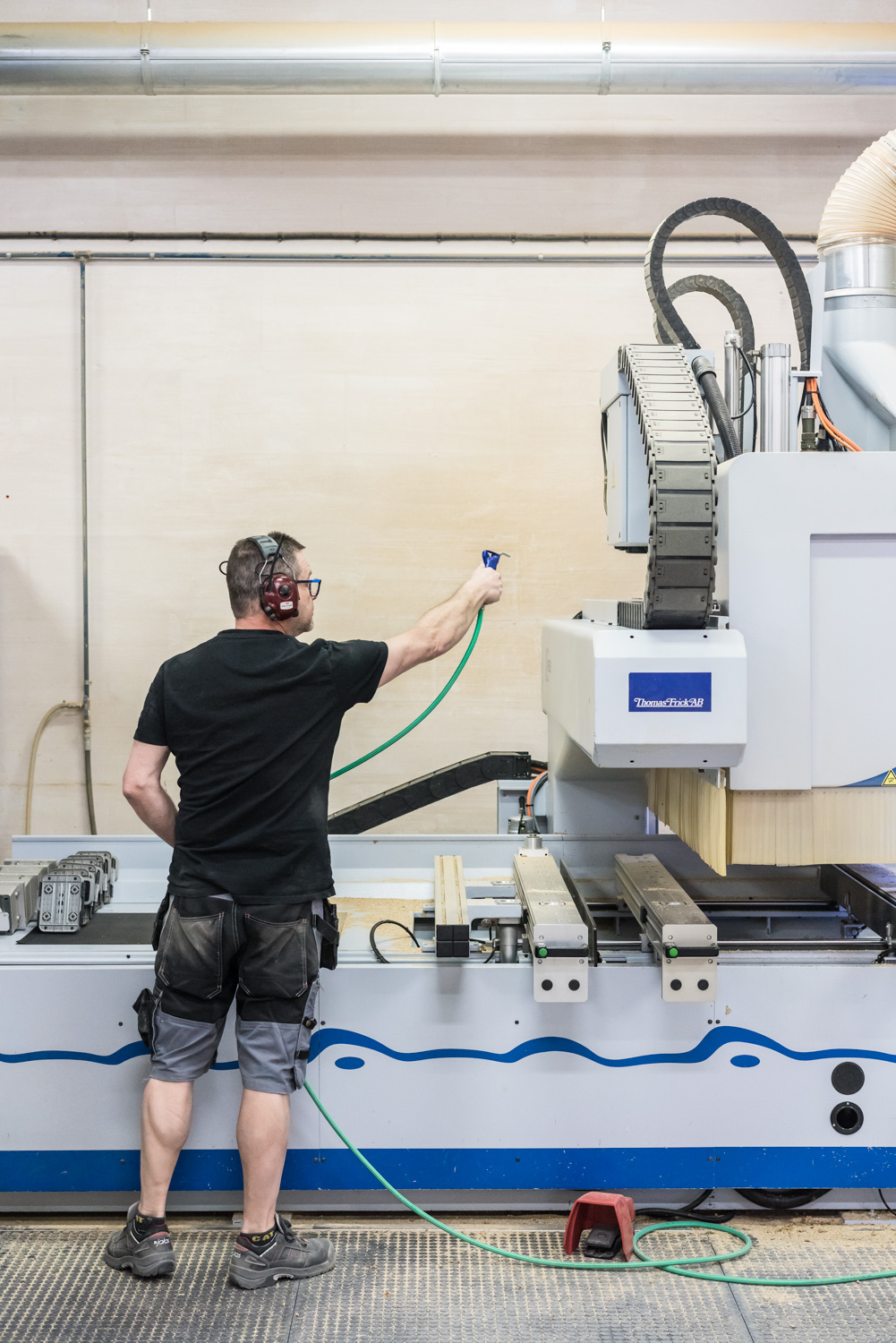
We want this commitment to extend to the suppliers we work with. We have a good relationship with our production partners; we have good communication, we trust them, and we see them as an essential part of our journey.
Our production partners, Fogia and POD, measure workplace accidents and safety-related incidents. Other initiatives that regard workplace safety are risk assessment and mitigation, workplace safety policy, training and compliance, hazard elimination and equipment safety, external audits and testing (for example, the fire protection system), and proactive measures for improving the working conditions. This is followed up in our communication and discussions with our production partners and is something that we review when we visit our production partners, which is a few times a year.
As part of our commitment to the UN Sustainable Development Goals, we have defined a KPI aligned with SDG 8, Target 8.8. This target focuses on safeguarding labour rights and promoting safe and secure working environments. By setting up this KPI, we create clearer accountability and ensure continuous improvement in how we protect and support our extended workforce.
These KPIs are the number of reported accidents and incidents per 100 employees and the number of safety inspections conducted at Fogia and POD:
Fogia
1.0 %
reported accidents and incidents per 100 employees compared to 3.1% in 2024.
POD
1.3 %
reported accidents and incidents per 100 employees compared to 1.8% in 2024.
Fogia has one planned safety inspection per year regarding the work environment. No significant findings were identified.
POD conducts regular internal occupational health and safety inspections in cooperation with its occupational health services and health and safety specialists. At a minimum, one formal internal safety inspection is carried out annually. Additional inspections are conducted when needed, for example, following changes in processes, workplace conditions, equipment, or if any safety-related issues are identified.
During the year, POD had an inspection that was carried out by the State Labour Inspectorate, after which no remarks or deviations were issued.
Even though workplace safety happens behind the scenes, it directly affects the quality, reliability, and sustainability of the products you buy. Here’s how:
- A safe and well-managed production environment enables fewer defects, delays, and quality fluctuations.
- The work our partners do — risk assessments, training, audits, hazard elimination — ensures ethical, compliant, and safe production environments. You can confidently communicate this in your own ESG report and sustainability work.
- Regular visits, continuous dialogue, and external audits create full visibility over the production process. This gives you greater transparency across your supply chain. — an advantage in public procurement, sustainability certification processes, and in your own reporting.
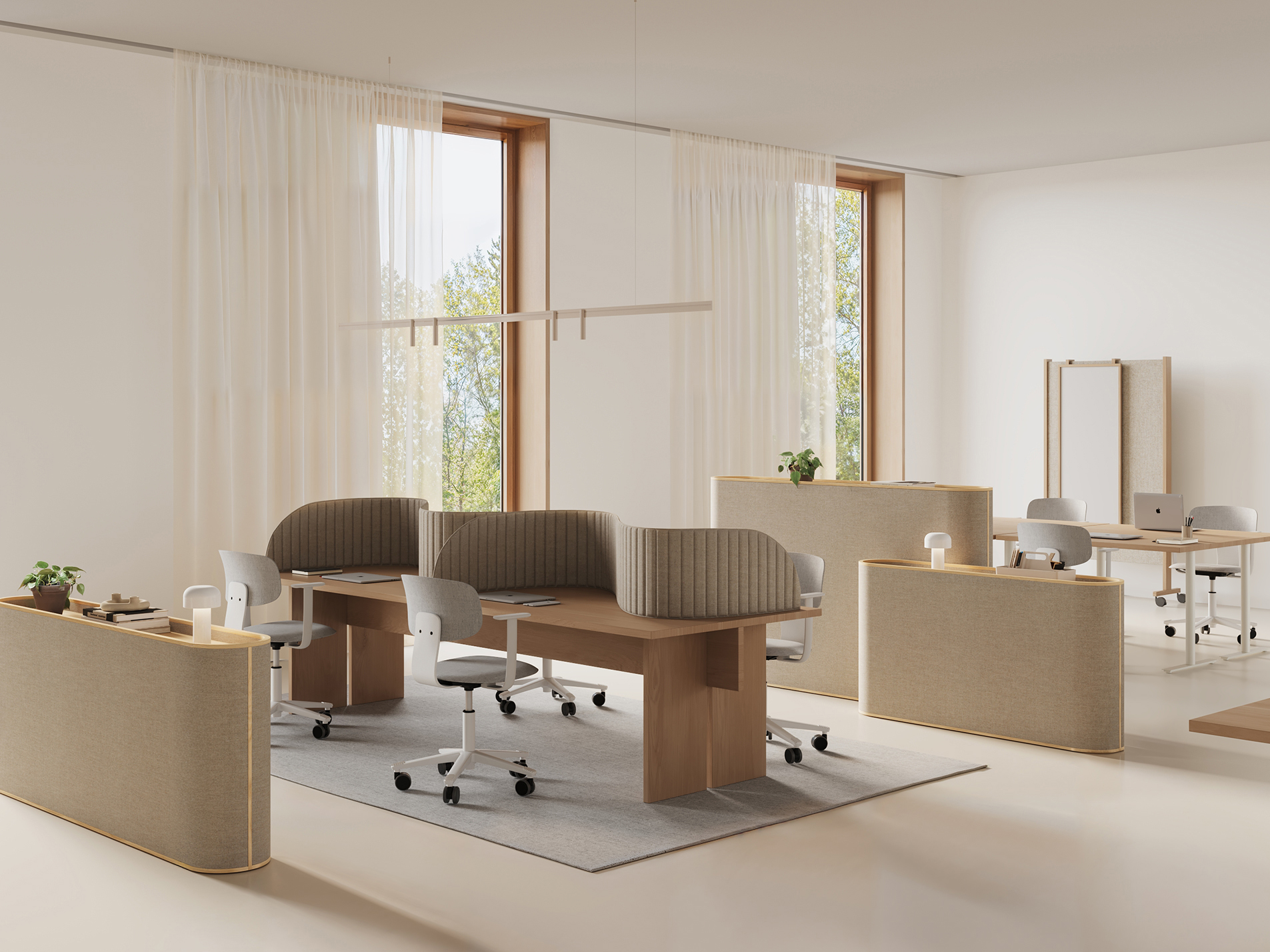
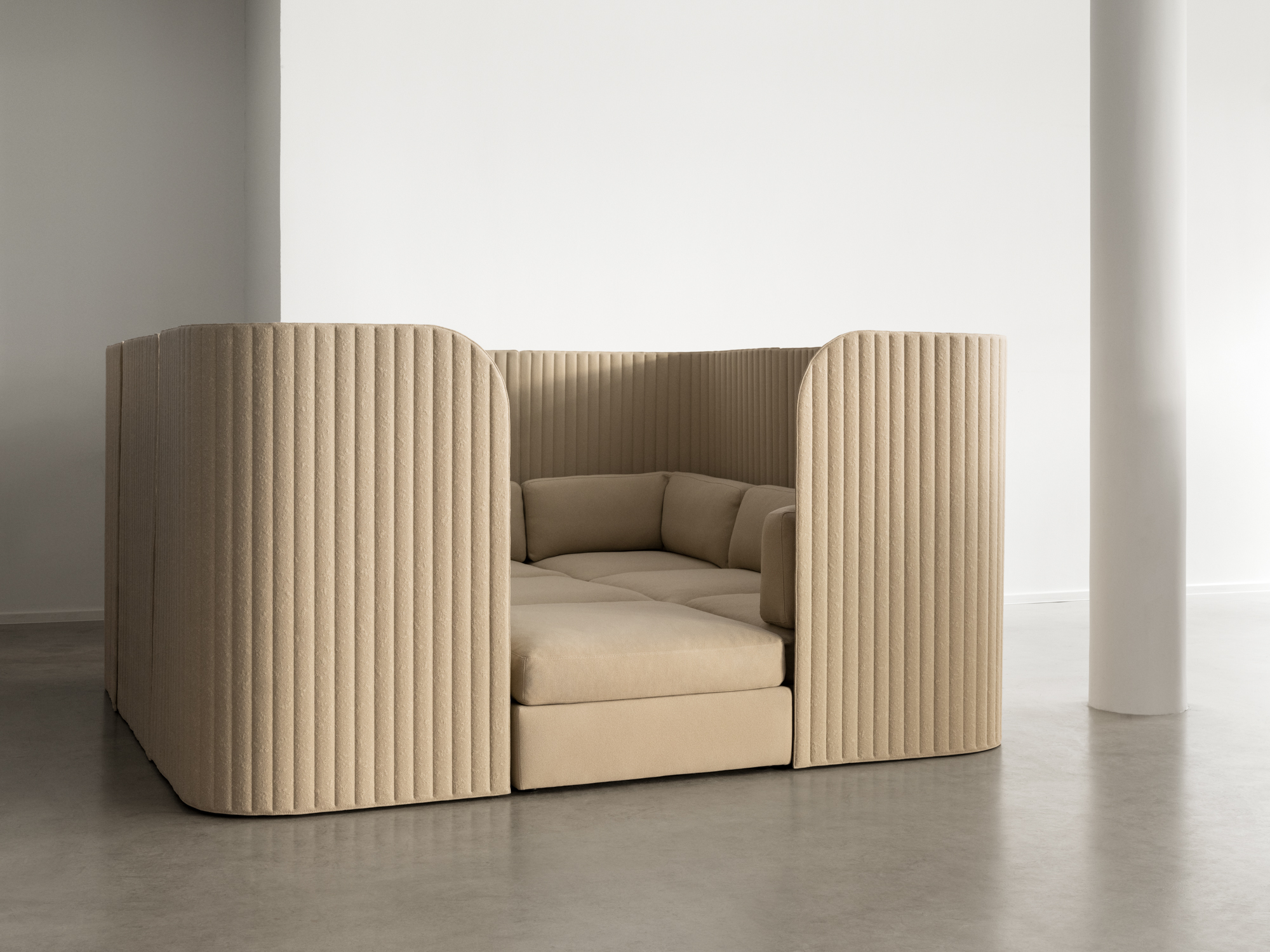
We’re always open to new ideas and inspiring collaborations. This is how Giro was born.
Always aiming higher
We are a small company with big ambitions, and every year we push ourselves further. Some goals we meet, others we revise, but we never stop. Every improvement motivates us to aim higher.
Being well prepared has become our internal motto. With that mindset, we share both our successes and the challenges that help us grow.
84%
of our revenue during 2025 was from products certified according to Möbelfakta, the Swedish label of sustainability and quality for furniture.
Five EPDs
We have five EPDs and plan to have five more by 2027. These accounted for 47% of our revenue in 2025.
Up to 40%
All products in our PRO assortment use stone wool containing up to 40% recycled content, as confirmed by our suppliers in 2024.
Responsible forestry
100% of our wooden components come from responsibly managed forestry supply chains — a goal we’ve achieved and are committed to maintaining.
This also ensures that we are aligned with upcoming EUDR legislation. We continuously monitor updates to the regulation to stay compliant and prepared.
Recommended by Byggvarubedömningen
We are happy to announce that Dezibel Wall, Dezibel Ceiling, Fazett, and Timber are now certified according to BVB — a key requirement for the construction and real estate sectors. Key requirements we fulfill include:
- Complete chemical transparency
- Compliance with strict environmental and health criteria
- Verified documentation and traceability
- Clear product identification
52% with removable fabrics
Our goal was to offer 20% of our floor and table screens with removable fabrics. This goal was already reached in 2024 with 24%.
By re-launching Fazett, Timber, Dezibel Wall and Dezibel Ceiling, we reached 52% in 2025.
From MDF to PET
We replaced MDF with a lighter PET backside on our wall and ceiling panels, providing:
- Lower environmental impact
- No formaldehyde emissions
- Easier installation
- Enhanced compatibility with removable fabrics
- This upgrade strengthens durability and supports a product lifespan of 20+ years.
Revised targets and capacity constraints
During the year, certain planned activities were postponed due to temporary capacity constraints within the organization. The work with Environmental Product Declarations (EPDs) requires dedicated resources and internal separation of roles to ensure quality, verification, and compliance.
During 2025, organizational changes affected the availability of these resources, which resulted in a revised timeline for the EPD work. The project was temporarily paused and restructured to ensure that future EPDs are developed with sufficient capacity, competence, and robustness. The project is now underway again.
The products included in the planned EPD scope represented approximately 45% of our revenue in 2025, confirming the continued relevance and priority of this work.
We have strengthened our team by welcoming a new Purchasing Manager. The packaging project will be initiated again in 2027 to work towards our goal of increasing the filling rate in our transport by 20%.
“We don’t sell products. We provide solutions backed by science-based calculations. Our products are designed responsibly and built to stay with you for more than 20 years,” says Hanna Loodin-Ek, our sustainability manager.
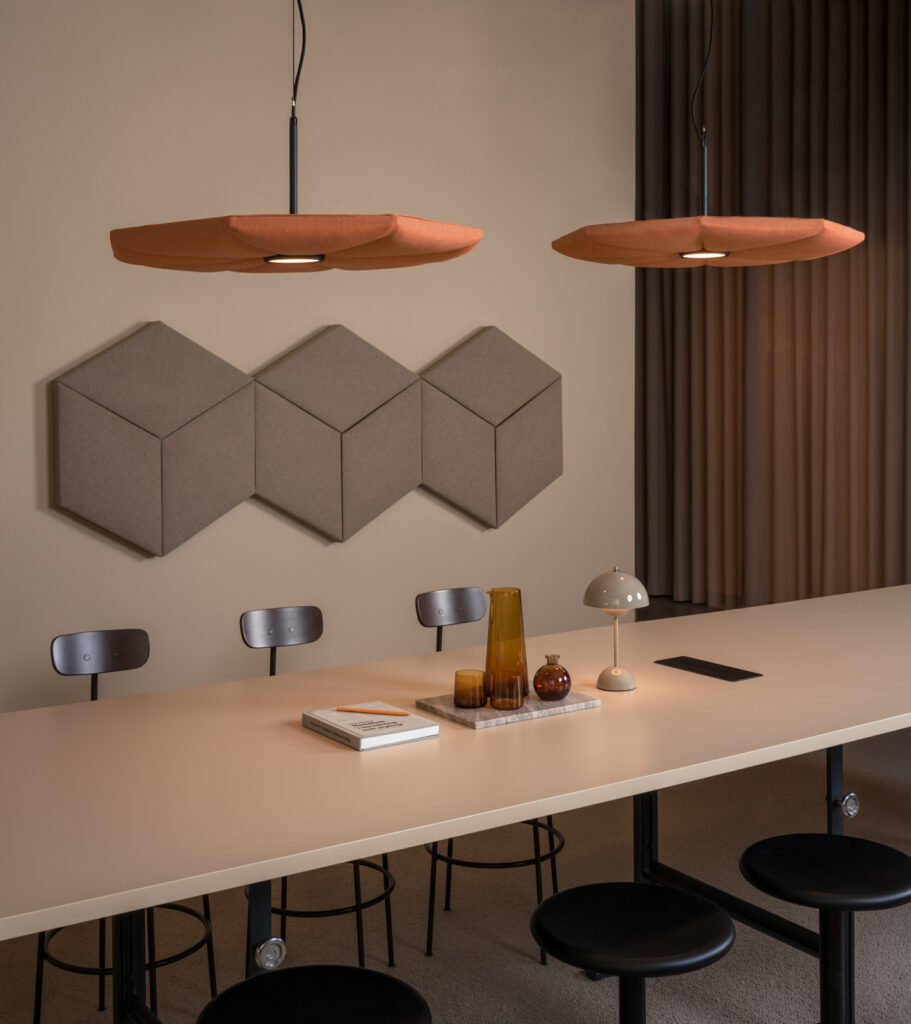
We are evolving our sustainability goals to focus on real impact
Sustainability has been a part of our identity ever since Zilenzio was founded, and we want to pursue a long-term, credible sustainability agenda. For that reason, we have evaluated our goal of becoming climate neutral by 2030 and replaced it with goals that we can measure, develop, and genuinely deliver on.
Over the years, we have developed and gained a deeper understanding of our climate impact and what climate neutrality entails in practice. We have recognized the complexity involved and identified that we currently lack sufficient data, tools, and resources to responsibly follow up on such a target.
We remain fully committed to reducing our climate impact. But as a company without our own production, our greatest opportunity to influence climate impact lies in the suppliers we choose to work with. We will continue our close collaboration with them to systematically focus on requirements and transparency rather than targets that cannot be monitored in a reliable way.
Our sustainability work is summarized in three documents that together provide governance, structure, and transparency. Our Sustainability Strategy sets the foundation for what we will focus on and work towards over the coming three years. The strategy is based on Möbelfakta, the UN Sustainable Development Goals, and ISO 26000. The goals and KPIs are carefully selected based on where we can have the greatest positive impact. The Sustainability Strategy runs for three years before it is updated, but it is reviewed annually by management and the board.
Our Sustainability Manager breaks down the strategy into an activity list that we call our Sustainability Plan. This helps us clearly understand what needs to be done and who is involved. It also gives us an improved overview, making it easier to plan activities so they can be carried out efficiently without overlapping unnecessarily.
Our way of working with sustainability
Every strategy has its time — and ours was ready to grow.
Our sustainability strategy for 2022–2024 gave us a strong direction, but as we reached the end of the period, we saw that some goals still needed more time. In the final months of 2024, we gathered insights, reflected on our progress, what remained, and what new expectations were emerging around us. This reflection became the foundation for our updated strategy to shape our work from 2025 to 2027.
One of the biggest steps we took in our updated strategy was to integrate the principles of ISO 26000. This wasn’t just a technical update — it was a way to bring more clarity, structure, and accountability into our sustainability work. It also fulfills the promise we made in our 2024 sustainability report: to continuously deepen our commitment and align with recognized global standards.
To make the strategy even stronger, we connected ISO 26000 to the UN Sustainable Development Goals (SDGs) — the global goals that world leaders agreed on to make the world fairer, safer, and more sustainable by 2030. Almost every country in the world is a part of the UN and has agreed to work towards these goals.
We continue to focus on the same three goals as before — SDG 8 (Decent work and economic growth), 12 (Responsible consumption and production), and 15 (Life on land) — but we have refined the subgoals to reflect where we believe we can make the greatest impact:
- SDG 8: added subgoal 8.8
- SDG 12: updated to 12.2 and 12.8
- SDG 15: remains unchanged
These adjustments give us a clearer line of sight from our daily actions to the global challenges we want to help address.
Below is an overview of how ISO26000, the SDGs and sub-goals work together and which goals and KPI’s we have planned to work with.
| Focus areas in ISO 26000 | Chosen sub-goals Agenda 2030 | KPI’s and goals to work with until 2027 | Activities to work with until 2027 |
|---|---|---|---|
| E4: Work for a Sustainable Value Chain | 8.7: End forced labour, modern slavery, human trafficking and child labour. 15.2: Promote sustainable forest management and end deforestation. | Goals for 8:7 and 15:2: • Continue to risk assess 2 products per year in our risk assessment process • Conducts audits of 1 supplier per year | • Maintain our process to verify that 100% of our wooden components are sourced from responsible forestry according to 15:2 • Be aware and work preventively with upcoming legislations (EUDR) according to 15:2 |
| A4: Work for good health at the workplace | 8.8: Protect labour rights and ensure safe working environments. | KPI to track 8:8 internally: • Our sick leave rate KPI to track our productions in 8:8: • Number of reported accidents and incidents per 100 employees • Number of safety inspections conducted at Fogia and POD | • Keep following up on our sick leave in the management group • Communicate these KPI’s to production and follow up yearly |
| M2: Work for circular solutions and sustainable use of resources | 15.5: Halt biodiversity loss and protect natural habitats and species. 8.4: Improve resource efficiency and decouple growth from environmental degradation. | KPI’s to measure 8:4: • Energy consumption [kWh] at Fogia and POD • Waste [kg] at Fogia and POD • Energy consumption/produced unit at Fogia and POD • Waste/produced unit at Fogia and POD | • Buy organic products, eco-labelled , etc at breakfast according to 15:5 • Set a desired target value for the 4 KPI:s to work towards • Building on our achievement of reaching 20% removable fabrics in floor and table screens by 2025, our new goal is to continuously increase the share of products sold with removable fabrics. We track our progress annually and aim for consistent year‑on‑year improvement. |
| K7: Work to raise awareness among customers and consumers | 12.2: Achieve sustainable management and efficient use of natural resources. 12.8: Promote awareness and information for sustainable lifestyles. | KPI to track 12:2: • Share of material that can be separated into clean material fractions [% by weight] • Share of components that can be disassembled using standard tools [%] • Measure the number of clicks and downloads related to sustainability material | • Collect data on existing EPDs according to 12:2 • Sharpen our sustainability communication so that it is better adapted to the market. • Be aware and work preventively with upcoming legislation regarding product passports (ESPR) according to 12:2 • We aim to reduce the environmental impact of our logistics through yearly improvement projects and continuous annual follow‑up. |
Looking ahead, we plan to take the next step by undergoing an audit aligned with ISO 26000, with verification planned for 2027.
Production partners
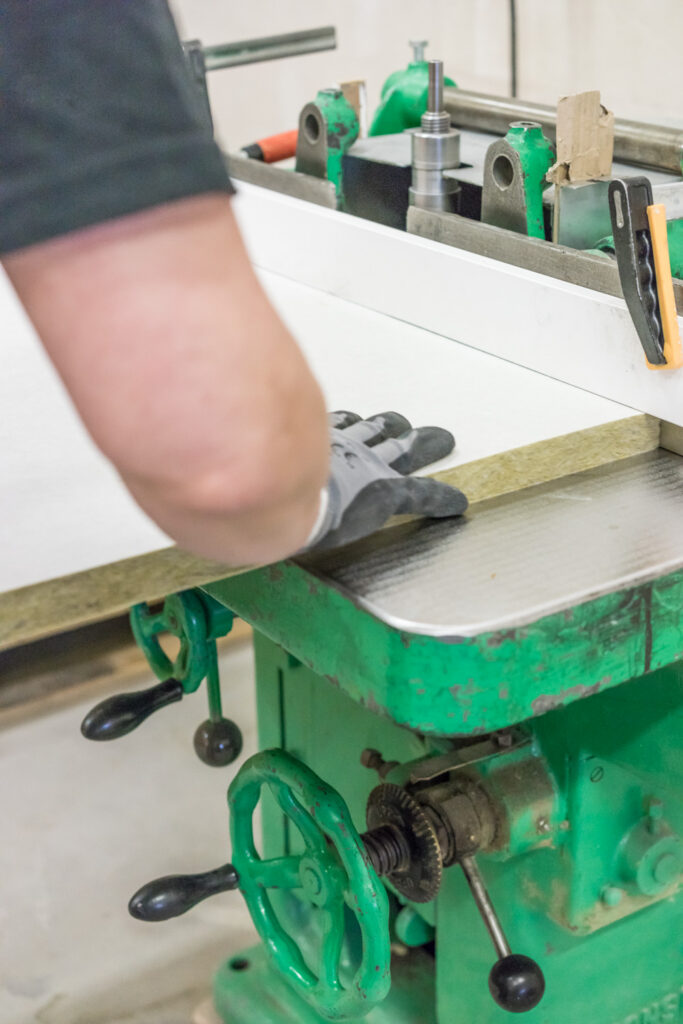
Our production partners are located in Poland, Lithuania, and right here in Örebro — a fun fact: the partner in Örebro has been with us since the very beginning of our story.
Our two largest partners are Fogia Furniture in Poland and POD Furniture in Lithuania. Fogia passed audits for ISO 9001 (quality) and ISO 14001 (environment) in 2024, confirming its strong and responsible production practices. POD Furniture renewed its FSC certification this year, ensuring it remains valid through 2028. We believe this helps prepare us for the upcoming EUDR legislation.
Together, these partners help us produce products with care, quality, and a shared commitment to sustainability.
Preparing for tomorrow’s sustainability requirements
Even though most upcoming sustainability and due diligence regulations do not directly apply to us today, we actively monitor them to stay ahead and ensure long-term compliance. We follow legislative developments in the EU and our key markets, including EUDR, CSRD, and the upcoming Digital Product Passport.
By staying informed, maintaining strong relationships with our certified production partners, and aligning our work with international frameworks like Möbelfakta, ISO 26000 and the SDGs, we make sure we are ready when new legislation becomes relevant.
Fogia Furniture, Poland
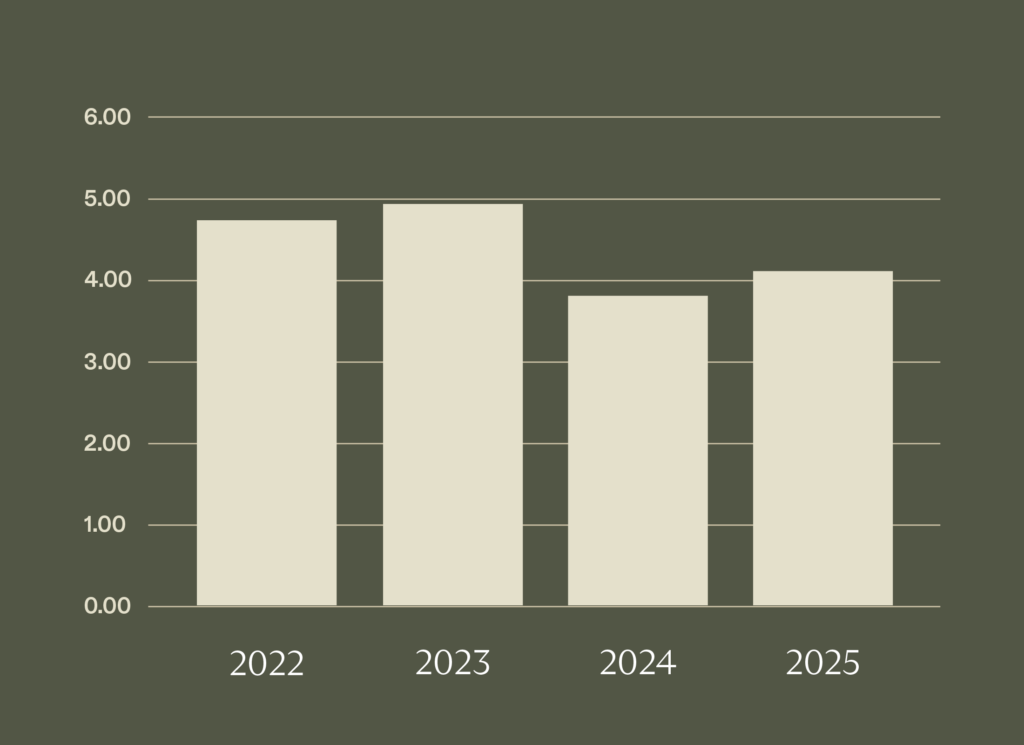
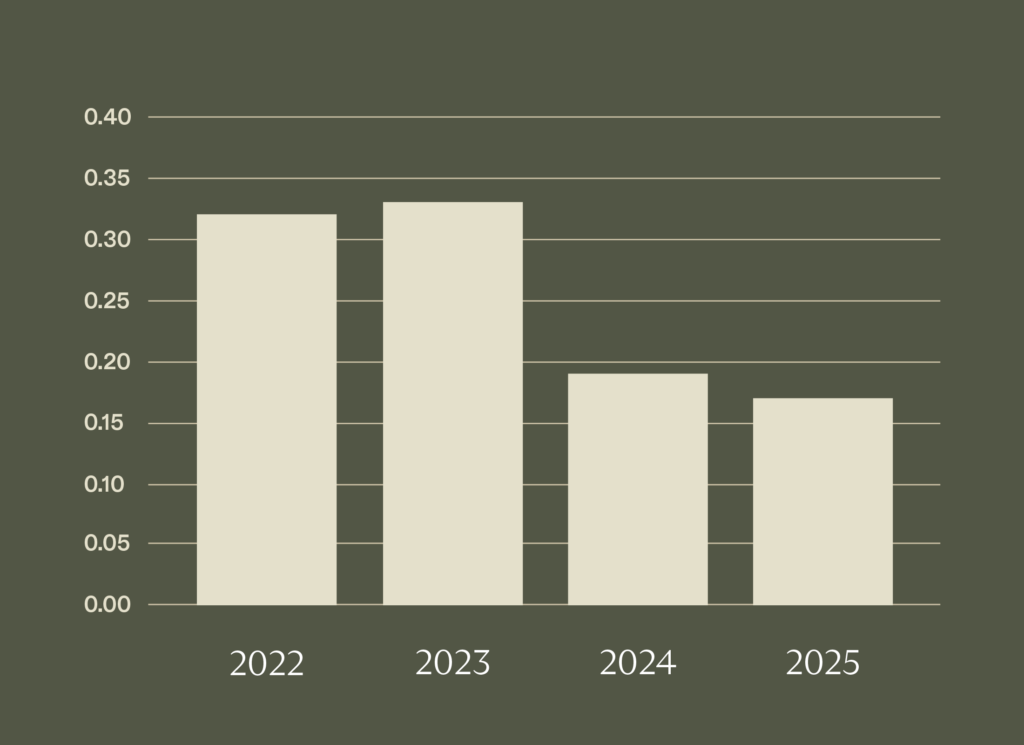
Fogia is our largest production partner, and today Zilenzio represents around 19% of their production capacity. Over the past three years, they’ve steadily reduced their overall environmental footprint in terms of energy consumption and waste generation.
Fogia’s energy consumption increased slightly in 2025 because they have internalized a significant part of the wood refining process. This transition strengthens the control in our supply chain, improves quality control, and creates more value in-house. Going forward, this also gives us better opportunities to optimize our energy use and increase efficiency over time. Fogia also switched to 100% renewable sources of electricity in 2022.
All textile waste is recycled through the R1 process, where it becomes alternative fuel for energy recovery — used by industries such as cement and power plants. Fogia has improved the process between the order, technical department, and production, which has resulted in efficiencies and less waste of fabric and leather.
These improvements become even clearer when we look at the figures for Zilenzio’s share of their production, measured per unit produced. We will continue to track these KPI’s.
Fogia: Energy consumption/produced unit [kWh/unit]
Fogia: Fabric waste/produced unit [kg/unit]
POD Furniture, Lithuania
POD Furniture is another key partner. Their overall energy use has varied over the years, and we saw an increase in 2025 due to increased production capacity and extra shifts. Lithuania’s energy comes from around 70% of renewable sources such as wind, solar, hydropower, and bioenergy.
During 2025, POD Furniture increased its production capacity through additional shifts and expanded operations, which affected total energy consumption. Zilenzio accounts for approximately 26% of the production and monitors performance through normalized KPIs per unit produced. Waste per unit decreased compared to the previous year, indicating improved resource efficiency despite changes in the production setup.
In short: Why people choose Zilenzio
In our latest customer survey, we achieved an Customer Satisfaction Index score of 85.5%, reflecting a very high level of customer satisfaction. We see this as a result of long‑term relationships, consistent delivery, and a clear focus on quality and reliability.
Customers highlight several reasons for choosing us:
Quality and function
Highly effective acoustic solutions that reduce noise and improve sound environments. Stone wool is particularly valued for its sound absorption performance and fire resistance.
Sustainability and durability
Products with a high level of finish and long service life. Customers describe Zilenzio as honest and reliable, with consistently high standards.
Design
Thoughtful design combined with acoustic performance, often appreciated for its Scandinavian expression and visual harmony.
Support and advice
Customers value our knowledge, flexibility and tailored solutions, as well as our support throughout the entire project – from early advice to quick responses during delivery.

Hans Bergström, CEO at Zilenzio
The CEO perspective: Zilenzio 2030
“Sustainability isn’t a sacrifice – it’s a part of our everyday work.
For 20 years, Zilenzio has worked to improve sound environments and reduce visual distraction in workplaces around the world. Creating well‑functioning workplaces is essential from a sustainability perspective, and the need for better work environments is significant. Research from Leesman shows that two-thirds of office employees experience poor sound environments at their workplace. This affects not only productivity but also well‑being. A workplace where employees are absent due to noise‑related issues is not sustainable.
We have achieved a great deal, but we also know there is much more to be done. Our mindset is that we will never be “finished”. For us, sustainability means continuing to develop products with a lower environmental footprint while at the same time contributing to even better workplaces. Our commitment is to minimize our impact by focusing on product development with reduced footprint, optimizing transport, and improving production efficiency through reduced waste and increased use of renewable energy,” says Hans Bergström, CEO at Zilenzio.
“Sustainability is not a project — it’s our DNA. We strive to create environments that help people feel good, focus better, and work smarter. We are proud of how far we’ve come and excited about where we’re going.”
Jenny Helldén, co-founder of Zilenzio