

Acoustics is often seen as a “nice to have.” Something that should be there, but rarely gets much room in the budget. At the same time, the sound environment affects some of an organization’s most valuable resources: people’s time, focus, and performance.
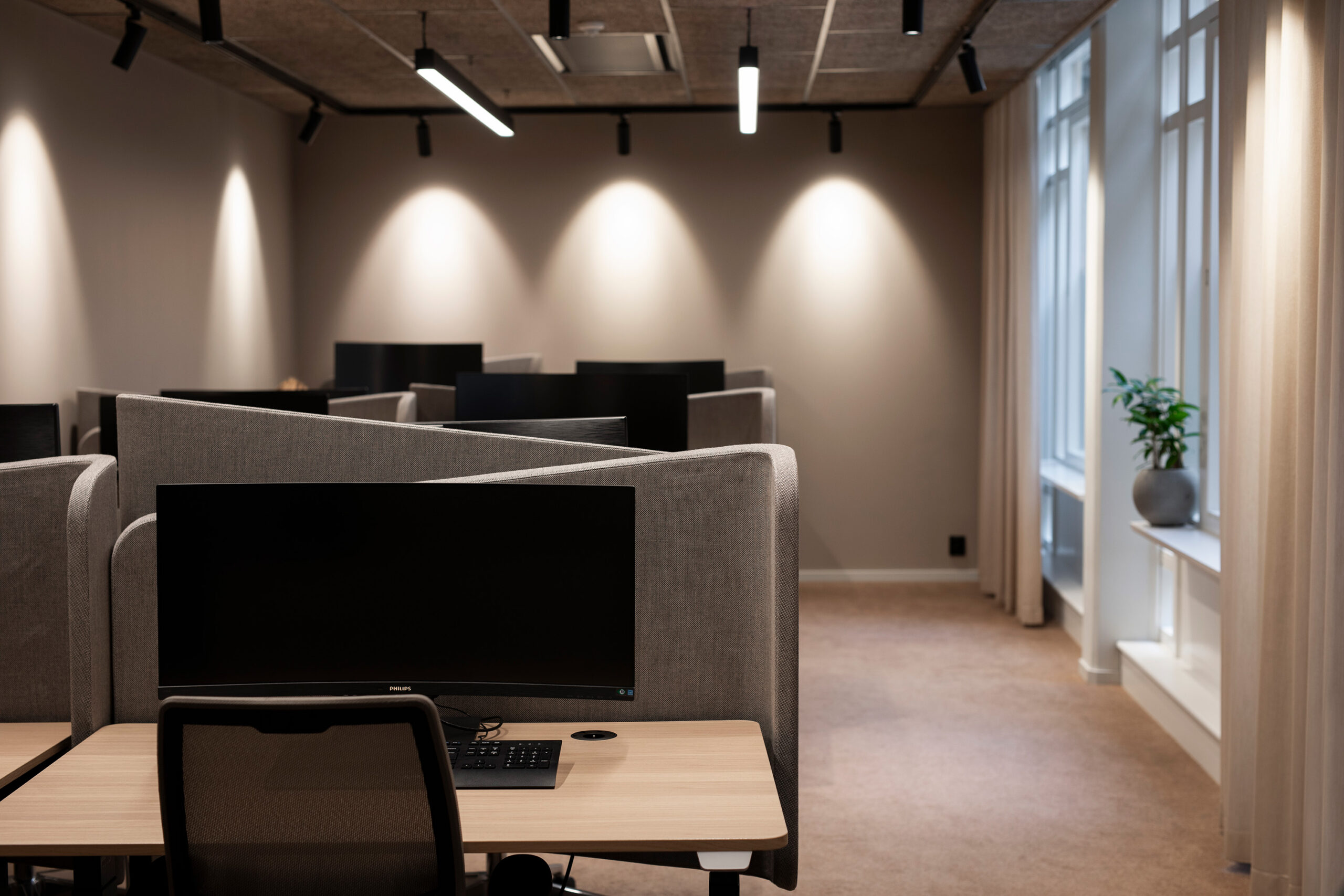
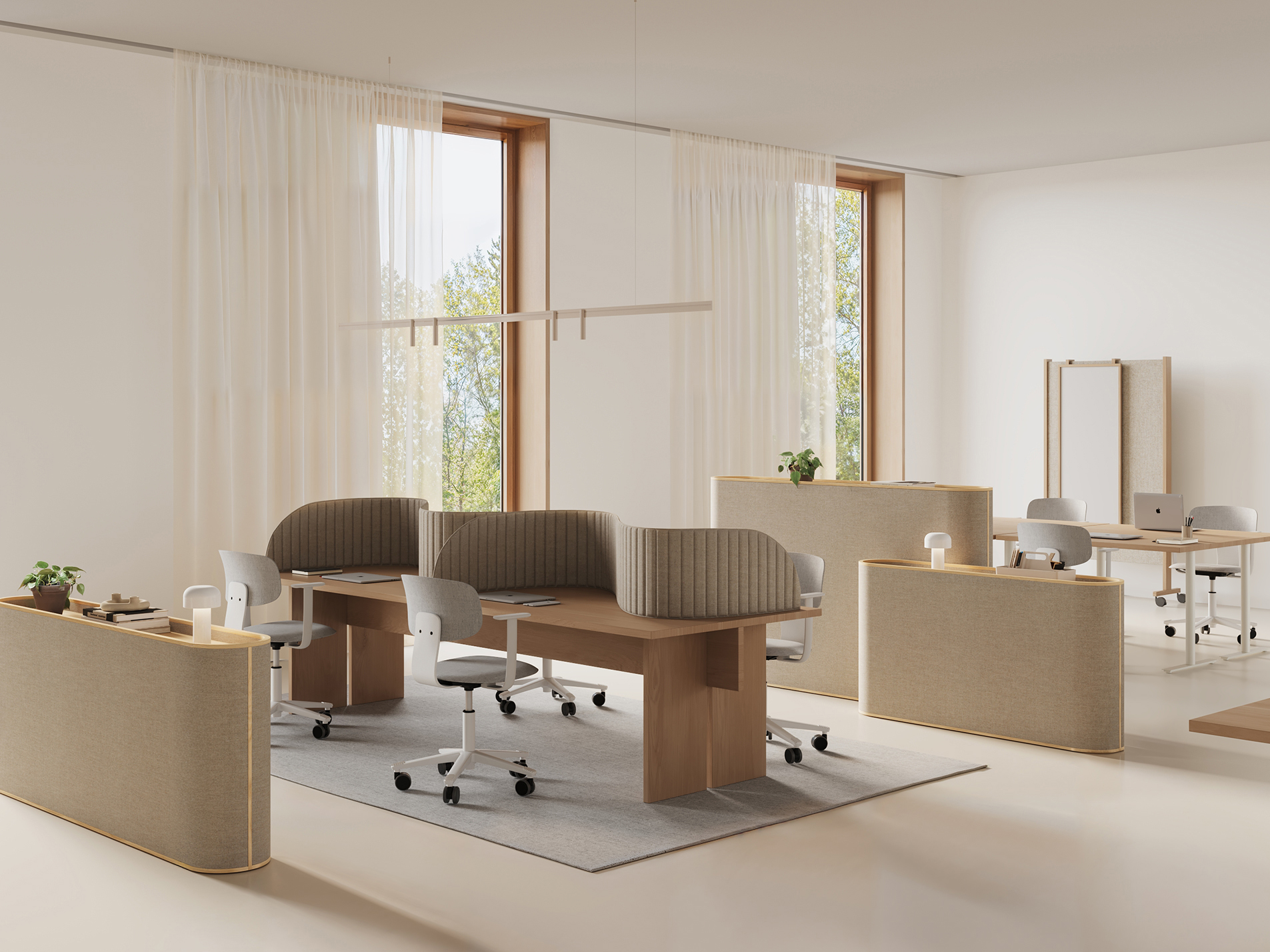
Desks with Zermatt table screen at Stena Fastigheter.
The impact may not show up immediately in the accounts. But it can be felt every day through interruptions, fatigue, and lost concentration. Over time, that becomes very costly.
So the real question is not whether acoustics matters. It is this: when does taking action start to pay off? In this article, we look at how to calculate the return on acoustic improvements and why the investment often pays for itself sooner than you might think.
The sound environment is a business issue, not just a matter of comfort
In open-plan offices, background conversations are the most disruptive source of noise. Research shows that office noise can impair cognitive performance, increase fatigue, and reduce motivation. The effects are especially clear when tasks involve memory, information processing, or concentration.
This is about more than irritation. It can lead to:
- Reduced performance
- Greater mental strain
- Longer recovery time
- Lower motivation
And ultimately, lower productivity. When the sound environment affects how people think and perform, acoustics becomes a business issue.
Acoustic ROI: how to calculate it
The ROI, or return on investment, of acoustic improvements can be calculated using three main factors:
1. Productivity
Imagine an organization with 100 employees and an average annual cost of $69,500 per person. That brings the total annual personnel cost to $6.95 million per year.
Research shows that we are frequently interrupted in distracting work environments, sometimes as often as every 10 to 15 minutes. It can then take several minutes to regain full focus after each interruption, according to research by Gloria Mark at the University of California and others.
This does not mean that all of that time is “lost.” But even small disruptions, repeated throughout the day, affect concentration more than we may realize. To make the impact more tangible, let’s use a deliberately conservative example.
If each employee loses the equivalent of 10 to 15 minutes of productive work per day because of distractions, that adds up to about 3% of their working time. This is a cautious estimate. In many cases, research points to a considerably greater impact.
For the organization, that represents about $208,500 in productivity value each year. An investment in acoustics that costs only a fraction of this amount could therefore pay for itself quickly.
2. Noise-Related Sick Leave
Long-term exposure to disruptive noise can contribute to stress and mental fatigue. Reducing cognitive strain and improving opportunities for recovery may also have an indirect effect on sick leave.
If a better sound environment reduces sick leave by just half a day per employee each year, the savings can be significant, especially for larger organizations.
3. Talent attraction and office attendance
Several workplace studies show that the work environment plays an important role when people choose an employer. Quiet, focus, and the ability to work without interruptions are now competing directly with the home environment in a hybrid working world.
When the office feels stressful, people are less likely to come in. When it supports their needs, attendance increases.
Acoustics therefore affects:
- Employer branding
- Office attendance
- Quality of collaboration
It is a strategic investment, not a cosmetic improvement.
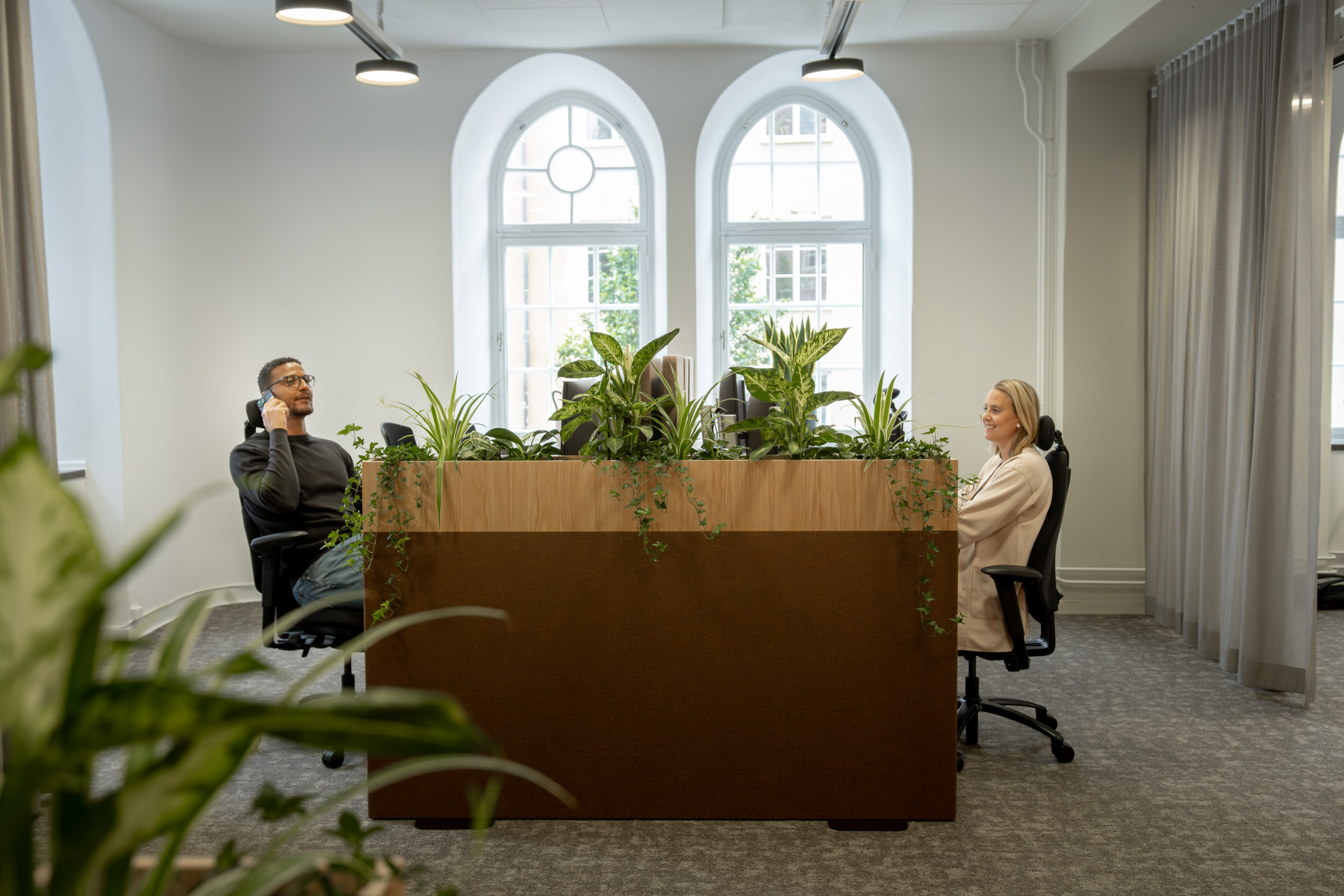
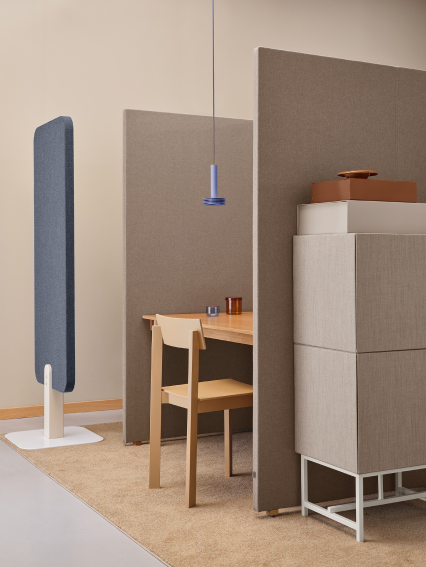
An acoustic solution from Zilenzio at Castellum.
The hidden cost of noise
Noise does not appear as a separate line in the accounts. But its effects can be felt every day:
- Repeated interruptions
- Difficulty staying focused
- Phone calls that require extra effort
- Increased mental fatigue
Research shows that it can take several minutes to regain full focus after a distraction. In environments with constant background conversations, these interruptions happen again and again.
It is a little like trying to work while someone keeps tapping you on the shoulder. Once is no problem. But when it happens repeatedly, getting anything done becomes difficult.
The real cost is not just the noise itself. It is the cognitive strain it creates.
A real-world example: Transvoice
Transvoice offers a clear example of how the sound environment can shape the working day. The company provides interpreting services, with employees handling many conversations at the same time. In its office, background speech and reflected sound made it difficult to maintain concentration. It also became harder to meet clients’ expectations and requirements for call quality and confidentiality.
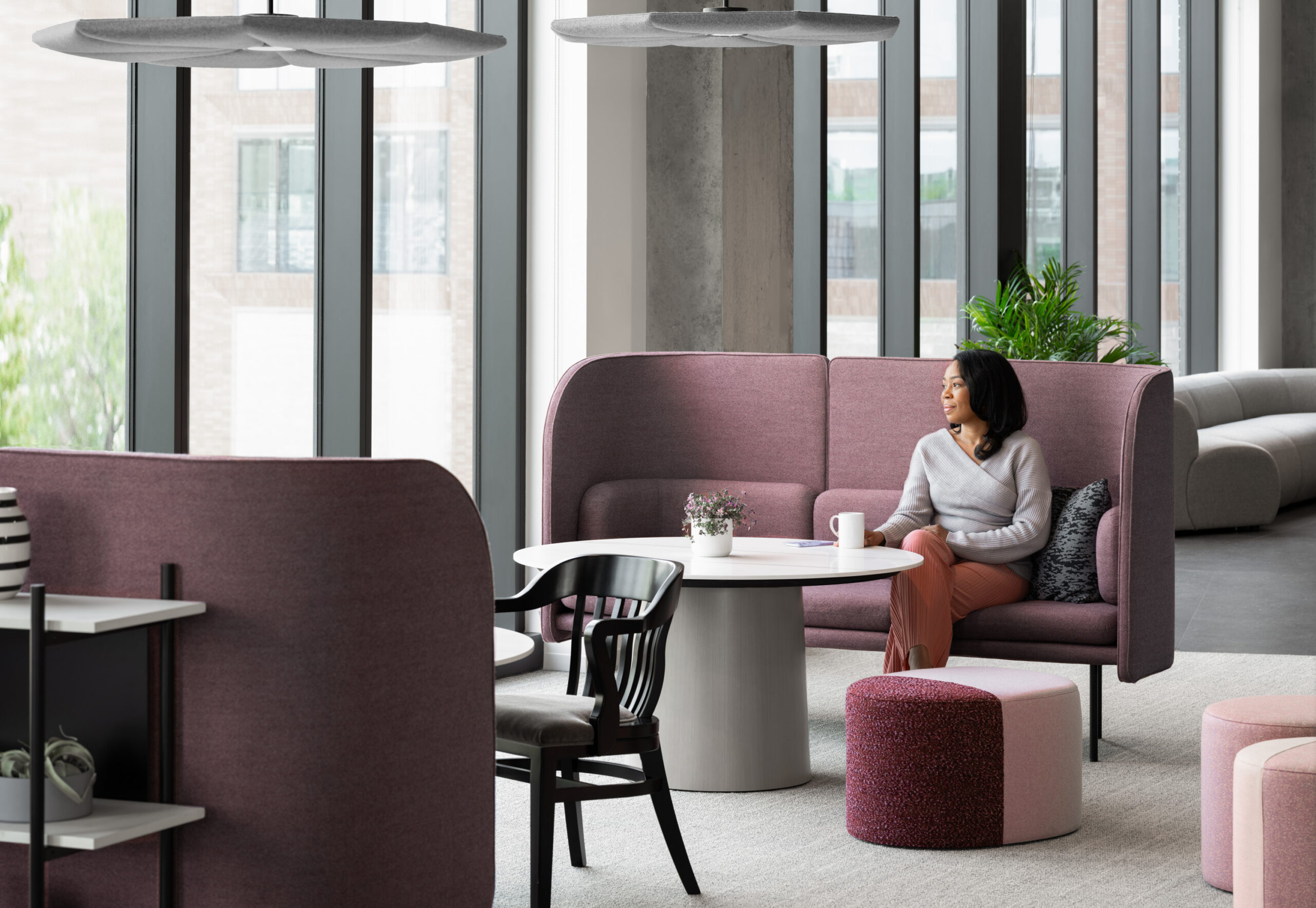
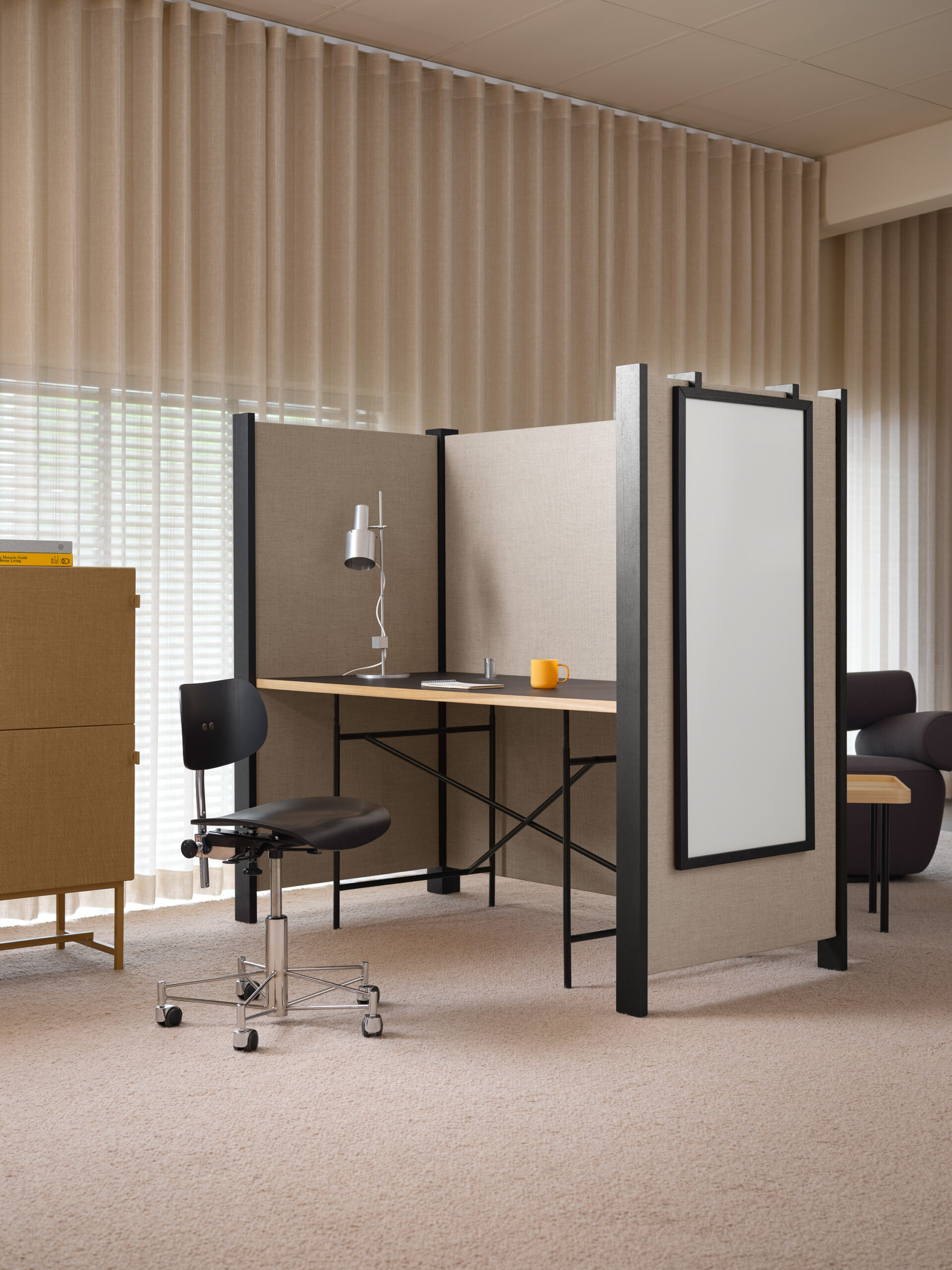
By taking a strategic approach to acoustics, including the use of ceiling absorbers, wall panels, and effective floor screens close to the workstations, Transvoice was able to reduce the spread of sound and make a marked improvement to the work environment. The result was a more focused workplace where employees could work without disruption, even in a communication-intensive setting.
You can read the full Transvoice case study here.
Try the Absorption Calculator
Our Absorption Calculator helps you discover what your room really needs and hear the difference for yourself. Choose from ready-made rooms or create your own. Add products and experience a realistic before-and-after simulation of how sound absorption changes the room.
Go to the Absorption Calculator
When is the ROI of acoustics highest?
Investing in acoustics is especially worthwhile when:
- Tasks require concentration and analysis
- Many conversations take place at the same time
- Hybrid work demands high-quality meetings
- The organization wants to improve attendance and employee well-being
- The space is open and has many hard surfaces, such as glass and concrete, or high ceilings
The more cognitively demanding the work, the greater the impact of the right sound environment. Put simply, the harder the brain is working, the more noticeable the sound becomes.
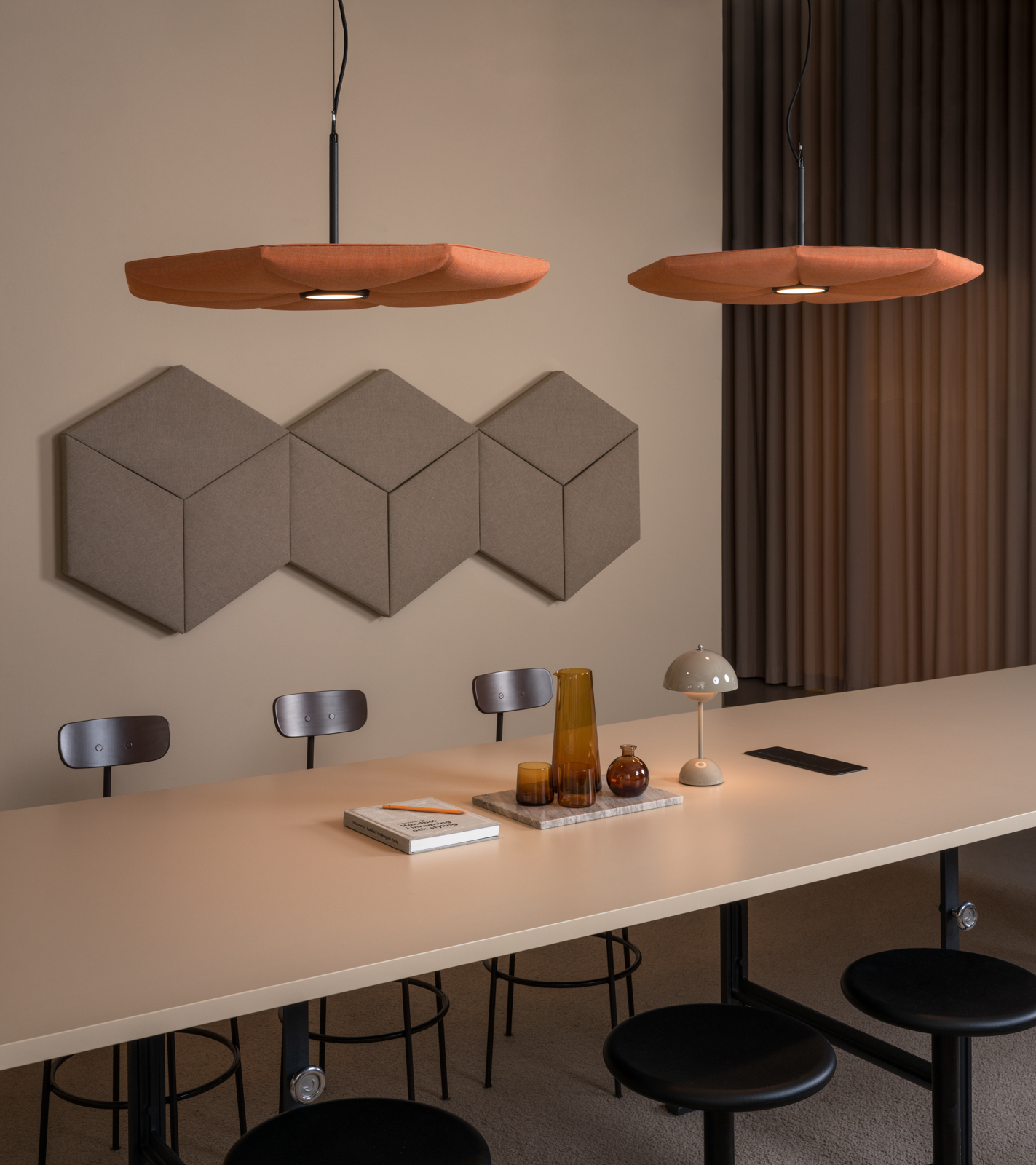
From product to solution
A common misconception is that acoustic problems can be solved by purchasing “a few panels.” But the real return comes when a solution is correctly sized and positioned, using the right types of products.
Effective acoustic planning involves:
- Analyzing the room’s volume and materials
- Understanding how the space is used and adapting the solution accordingly
- Measuring reverberation time
- Identifying sound sources
- Placing solutions close to the sound sources
- Combining ceiling, wall, and screen solutions
Effective combinations might include:
- Wall absorbers such as Timber or Dezibel Art to reduce reflected sound
- Floor screens such as Dezibel Floor, Kyoto, or Offizz close to workstations and sound sources
- Room-in-room solutions such as Arc for focused work and meetings
- Ceiling absorbers such as Hikari or Dezibel Ceiling to reduce overall reverberation
It is always the complete solution that delivers the greatest effect and, in turn, the highest return. We are happy to help with both calculations and placement to make sure you get the right result from the start. Contact us for advice.
Acoustics from a leadership perspective
For leaders and decision-makers, acoustics is about more than the work environment. It is about measurable impact, long-term investment, and strategic competitiveness. When the quality of the workplace affects both performance and culture, the sound environment becomes part of how the organization works and how it is perceived.
A noisy office can signal a lack of planning. A thoughtfully designed office signals care, professionalism, and better conditions for people to perform at their best.
How to take the first step
Understanding when acoustics will pay off starts with a simple analysis of your sound environment and how the space is used. It does not need to be complicated. During a site visit, we gather the information we need and develop a solution that is both cost-effective and made to last.
In summary: when does investing in acoustics pay off?
Acoustics pays off when:
- Productivity is essential
- Concentration is a prerequisite
- The employee experience is a strategic priority
In practice, that means almost always. In knowledge-based organizations, people are the largest investment. Protecting that investment with the right sound environment is not an extra cost. It is a way to get more from what you are already investing.
Would you like to calculate the ROI of your sound environment?
We can help you assess your current space and develop a solution based on acoustic calculations, material choices, and the right combination of products.
Book a free consultation to find out how much the right acoustic solution could benefit your organization.