

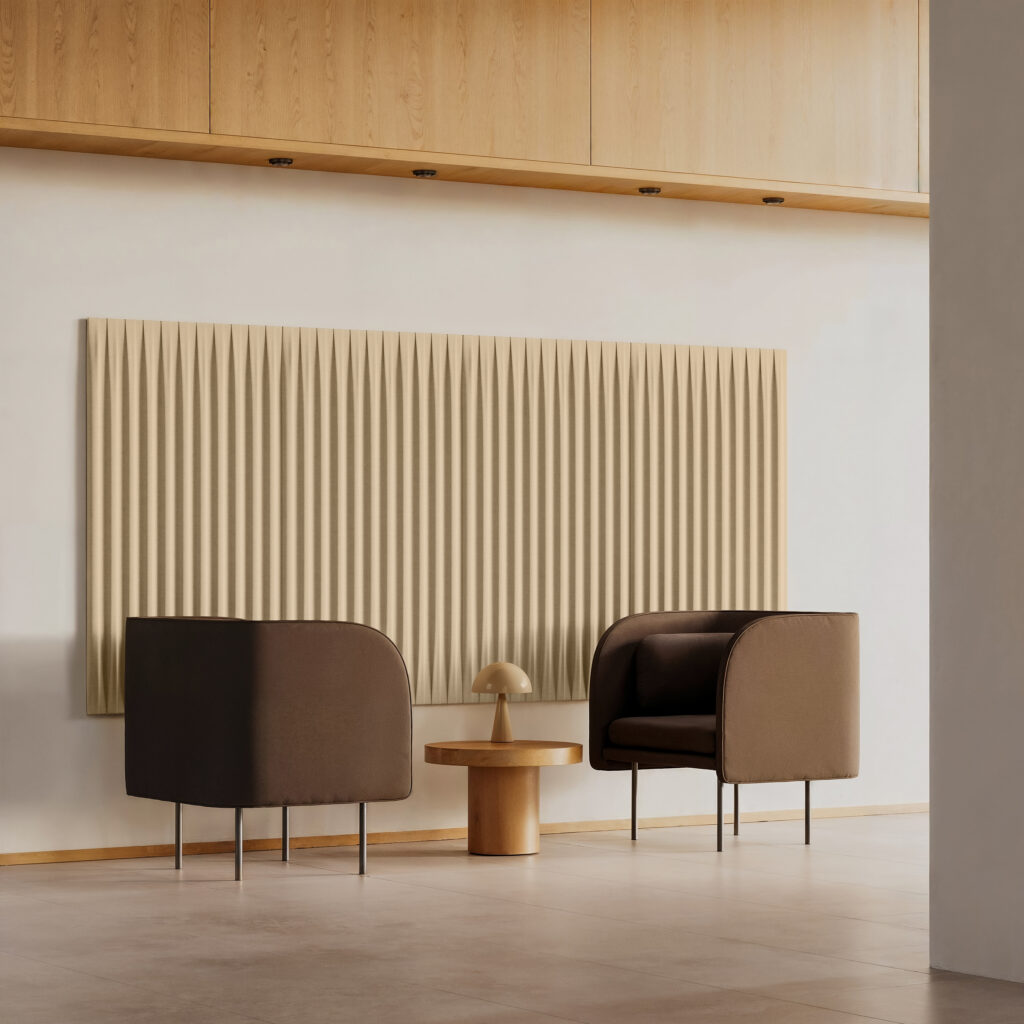
Zilenzio and Studio Stockholm introduce Zonify, a new family of acoustic solutions for walls and digital meetings. The collection pairs effective sound absorption with a distinctive pleated textile design. The fabric brings texture and detail to a space, while the stone wool absorbs unwanted sound. Together, they create a more comfortable setting where people can work, meet, and spend time together.
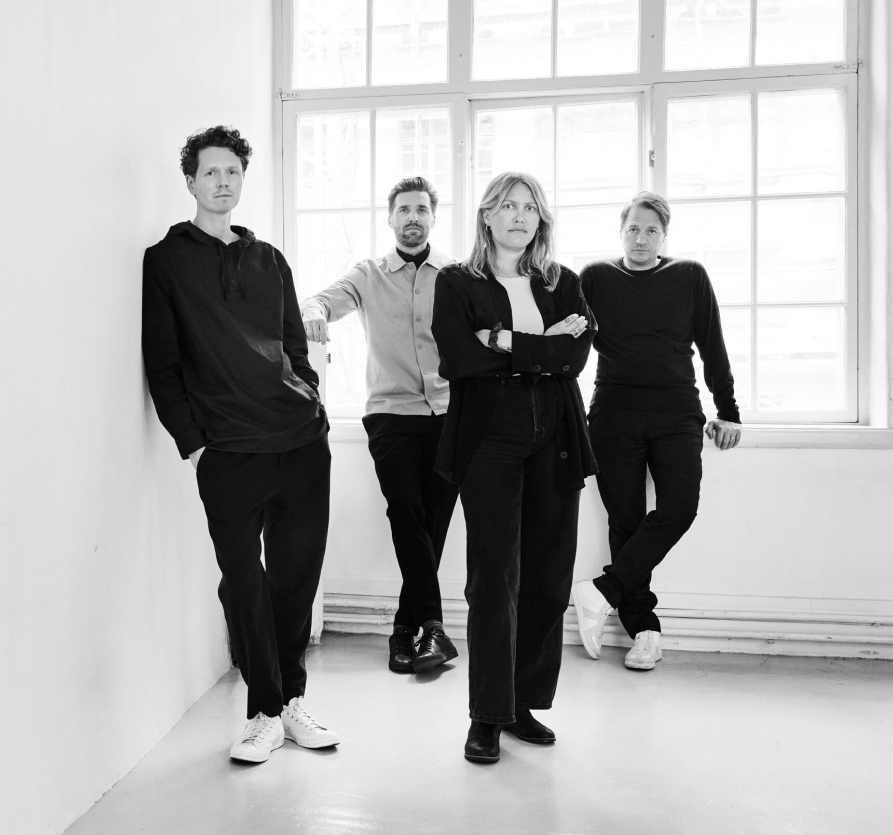
Zonify grew from two ideas: the need for better digital meetings and a vision for acoustic treatment on a roll, making it easier to cover large wall surfaces. Through conversations and testing, the concept began to take shape.
“We were sitting at dinner, folding a napkin, when we found the solution. By folding and doubling it over, we got the pleated look,” says Marco Checchi, founder of Studio Stockholm Arkitektur, which designed Zonify.
Those two ideas became Zonify Table, an acoustic desk screen with integrated lighting, and Zonify Wall, a flexible acoustic solution for larger wall surfaces. They serve different purposes, but share the same pleated design, flexibility, and simple installation.
“Good acoustics are a big part of it, but installation also has to be simple. It can’t be too complicated. You can adapt Zonify to the space and the amount of sound absorption you need. It also brings something valuable to a room: a softer, more tactile feel, with the warmth of textile,” says Marco.
A desk screen designed for better digital meetings
Hybrid work has raised expectations for digital meetings, yet many focus rooms still lack good acoustics and lighting. Zonify Table brings both into one product.
“We’ve all been in digital meetings from focus rooms with poor acoustics and lighting. Zonify Table reduces the echo you often get in a small room while providing excellent light for your face. It makes a huge difference to the quality of a video meeting,” says Daniel Helldén, Head of Product and Innovation at Zilenzio.
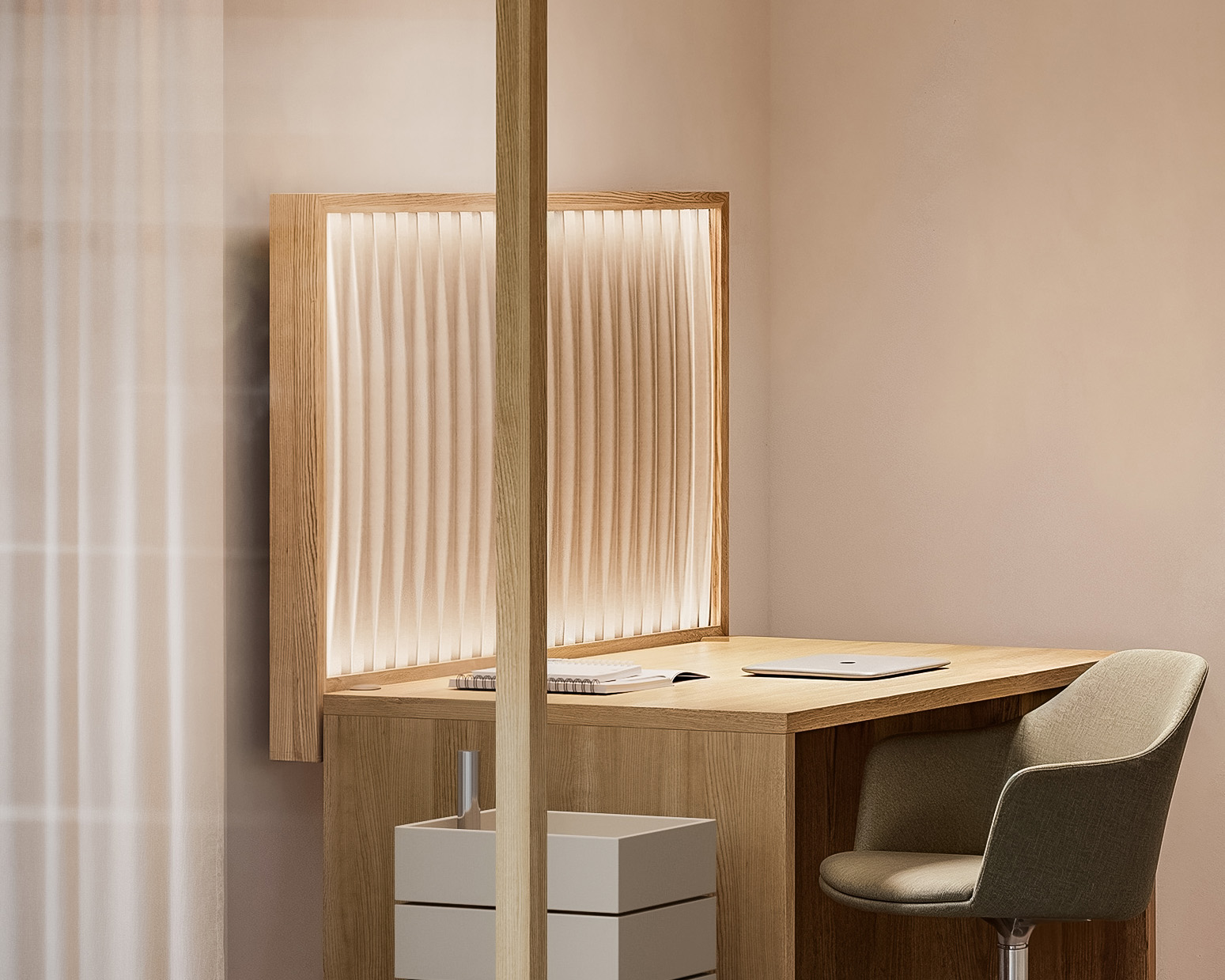
The desk screen combines a sound-absorbing stone wool core and pleated textile with integrated, dimmable lighting. The acoustics help the person using it be heard clearly, while the lighting helps them be seen. Together, they create a more professional experience for everyone and help build trust, especially in client meetings and other important conversations.
“Lighting makes such a difference to how professional you look in a digital meeting. You simply look better on camera. Because the light is indirect, it doesn’t shine in your eyes. It gives your face a soft, even light,” says Marco.
Zonify Table attaches directly to the desktop and plugs into a standard wall outlet. Then it’s ready to use, with no separate electrical installation or complicated assembly.
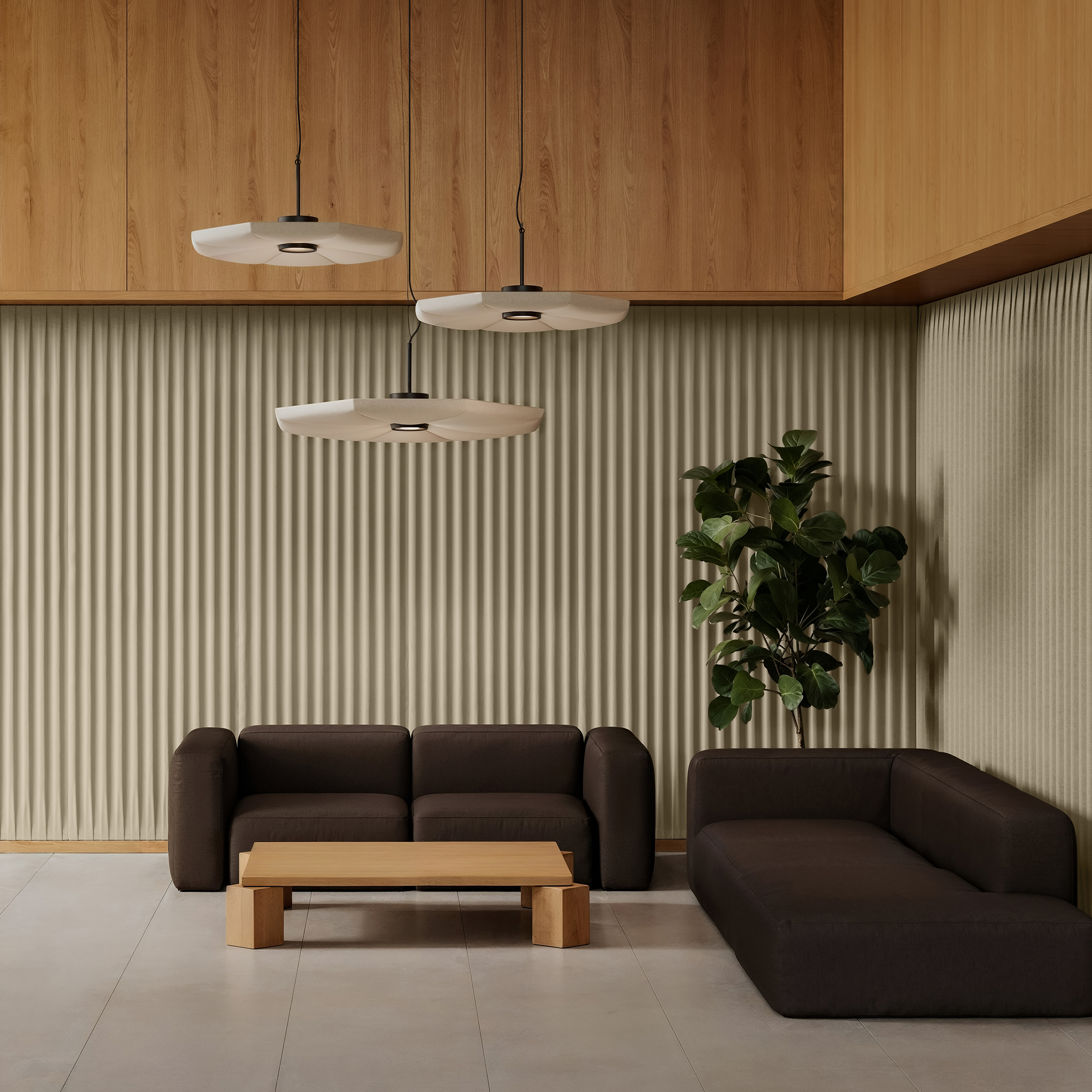
Acoustic treatment on a roll for large wall surfaces
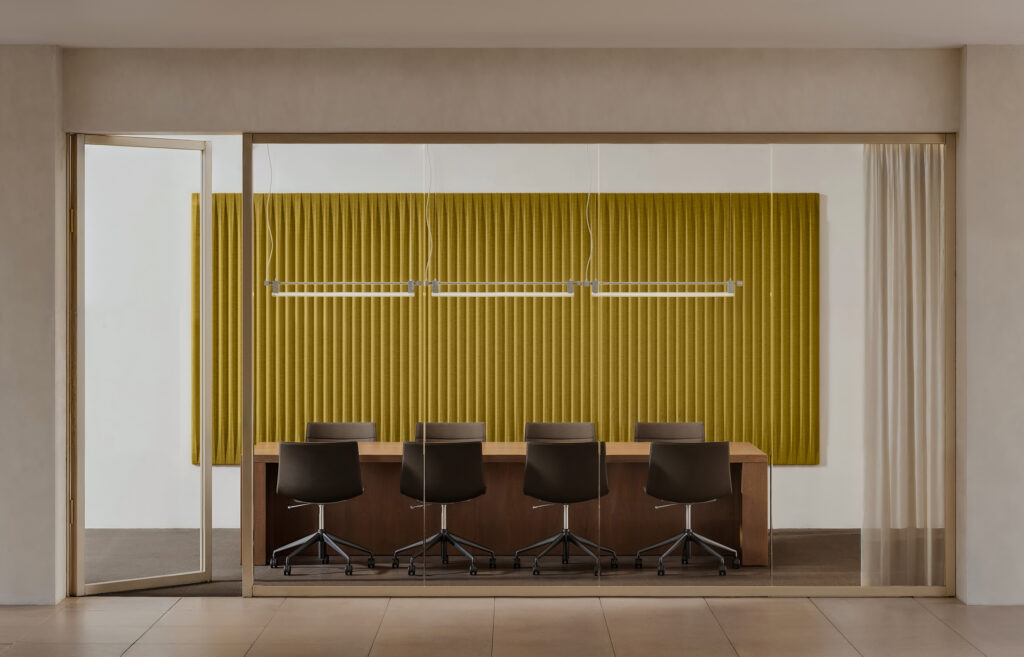
Zonify Wall gives large wall surfaces a soft expression with tactile detail. The pleated textile comes on a roll and is available in several heights and fabrics. Stone wool can be attached behind the fabric to add sound absorption where the room needs it.
“Zonify Wall adds beautiful detail and improves the acoustics wherever it’s used. It’s easy to adapt to different spaces. You can put sound-absorbing material behind every panel, or every other panel, depending on what you need,” Daniel explains.
That flexibility comes with a simple installation process.
“Installing Zonify Wall is very straightforward. You attach one rail at the bottom of the wall and another at the top, then stretch the rolled fabric between them. The pleats take shape as you do. If you add stone wool behind the fabric, it attaches to the same rails with Velcro,” Marco explains.
Zonify Wall creates a more comfortable space for conversation, concentration, and spending time together. It suits a wide range of places with large wall surfaces, from offices, conference venues, and schools to restaurants, hotels, and airports.
“In projects where Zonify is already installed, customers have been very happy with it. They appreciate the way it looks and the character it gives the room, as well as the noticeable difference its sound absorption makes,” Marco concludes.